


Just outside of Perth, Ontario, Alex and Emily Westbrook are running a first-generation farm on 90 acres, raising pasture poultry while balancing full-time jobs and raising their family, all while continuing to grow something that didn’t exist a few years ago. Today, they are raising around 750 meat birds, with a goal to reach 3,000 in the near future.
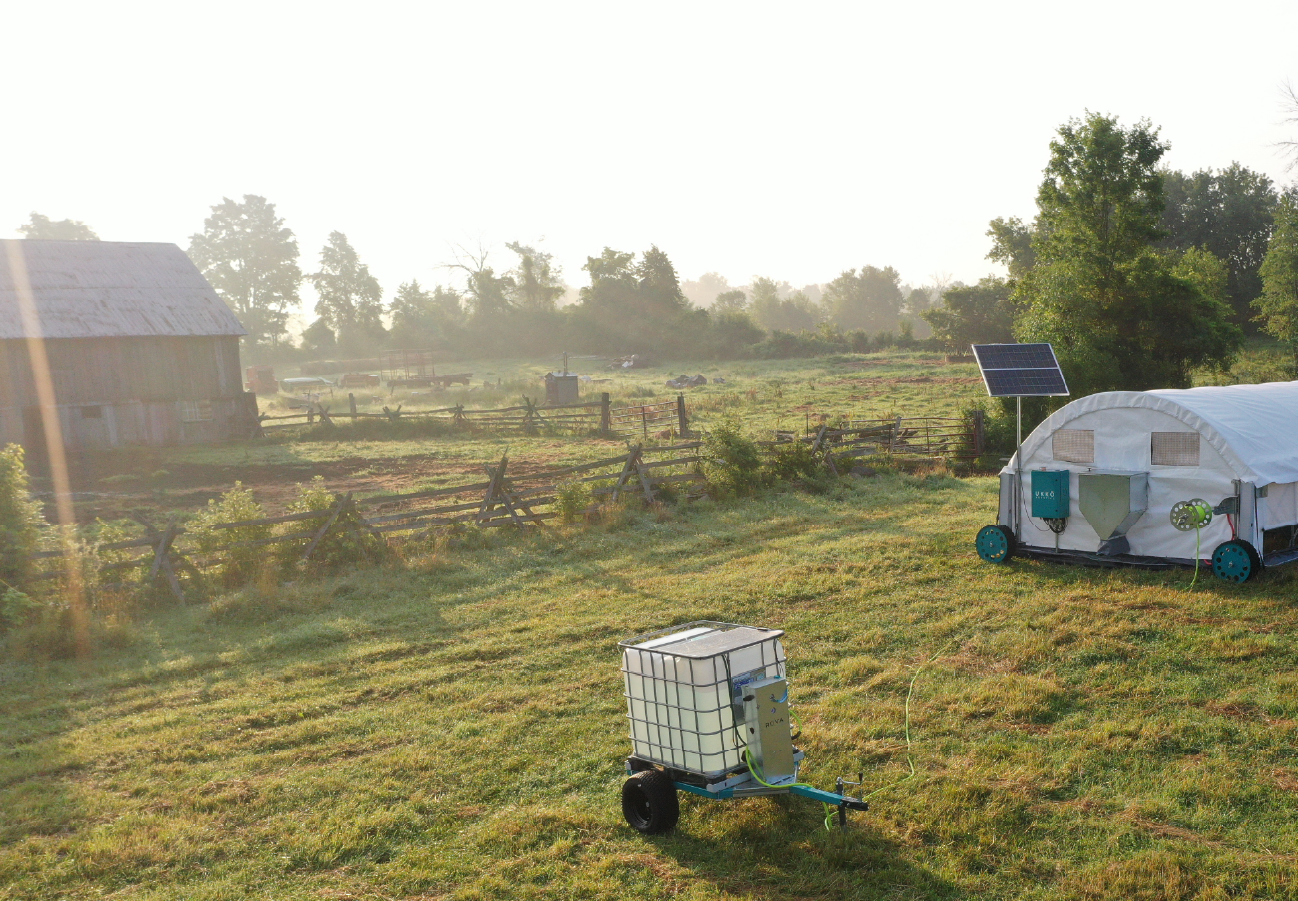
As part of that growth, they recently brought a ROVA|BARN 400 onto Westbrook Farm to support their pasture poultry system.
We’re excited to share their story, because what makes their operation interesting isn’t just what they produce, but how they’ve actually built it.

Inspired to Start
There was no inherited system behind Westbrook Farm. As Alex and Emily describe it, “we were drawn to farming through our time living in Saskatchewan, where we developed a deep connection to the land, animals, and the value of real, honest food.”
That experience stayed with them when they returned to Ontario, where they decided to build a farm of their own from the ground up, learning everything through hands-on work and figuring things out season by season.
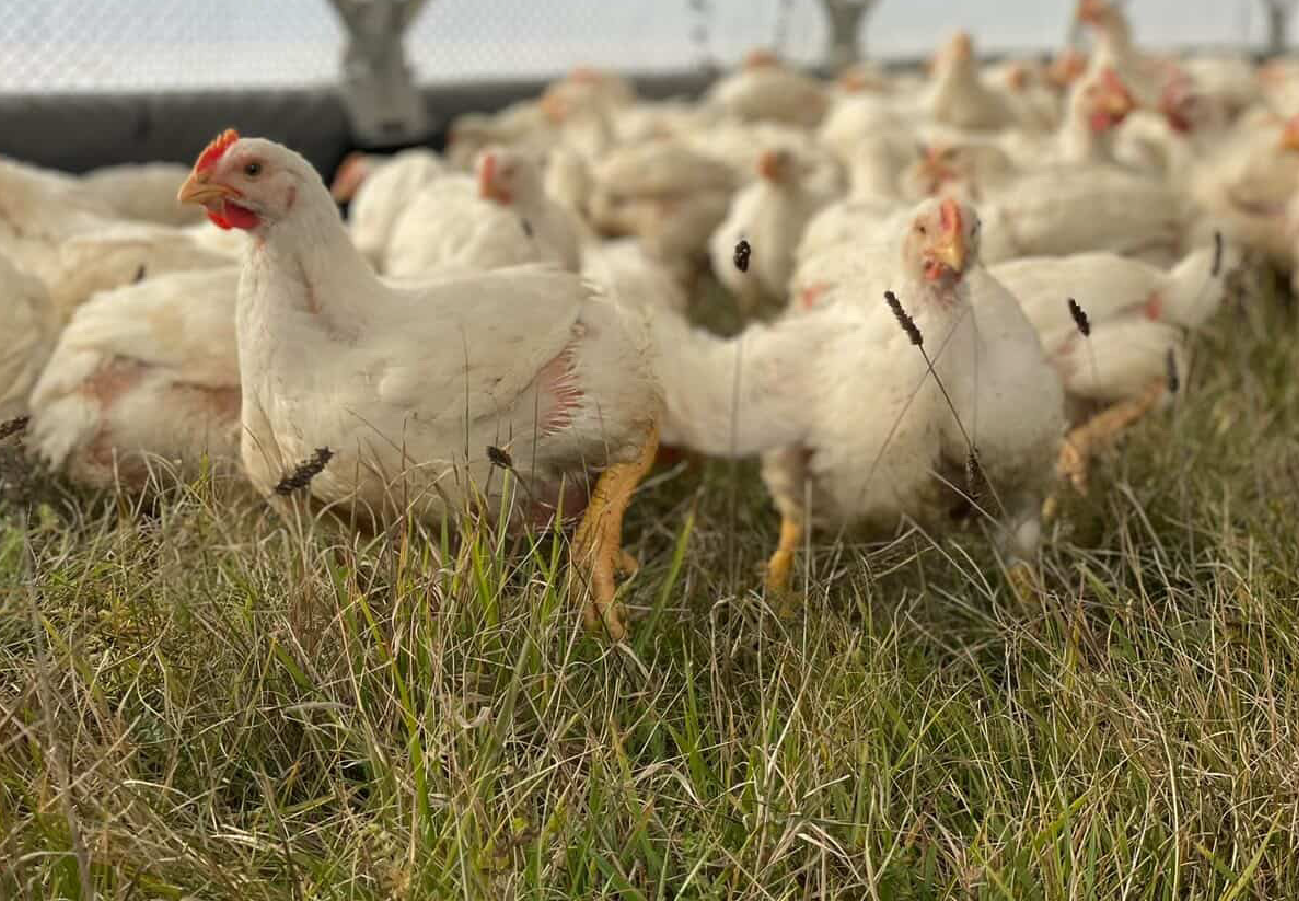
Doing Pasture Poultry “The Hard Way” First
Like most farms starting out in pasture poultry, Westbrook began with a fully manual system.
Moving shelters, managing feed and water, adjusting for weather, and keeping conditions clean took time, and not just a little bit of it.
“Before using the ROVA|BARN, one of the biggest challenges we faced was the amount of time and labour required to raise pasture poultry.”
This is something we hear often, but it is different when you see how it plays out in real life. When you’re balancing a farm, full-time jobs, and a family, those hours add up quickly. And even when demand is there, growth is not always possible.
“While demand for our product was growing and we were selling out quickly year after year, we were unable to scale our production to keep up.”
Why the ROVA|BARN Made Sense
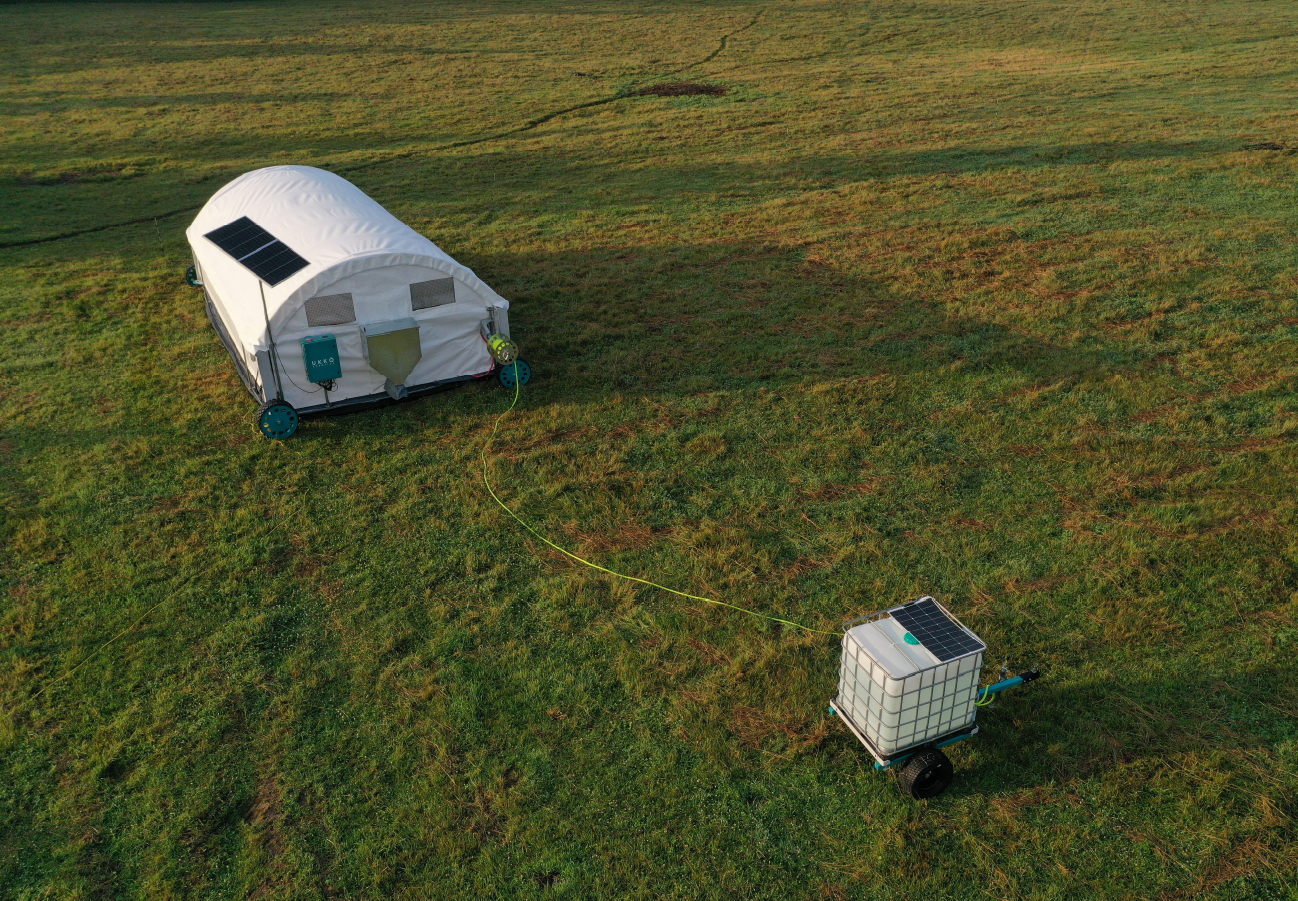
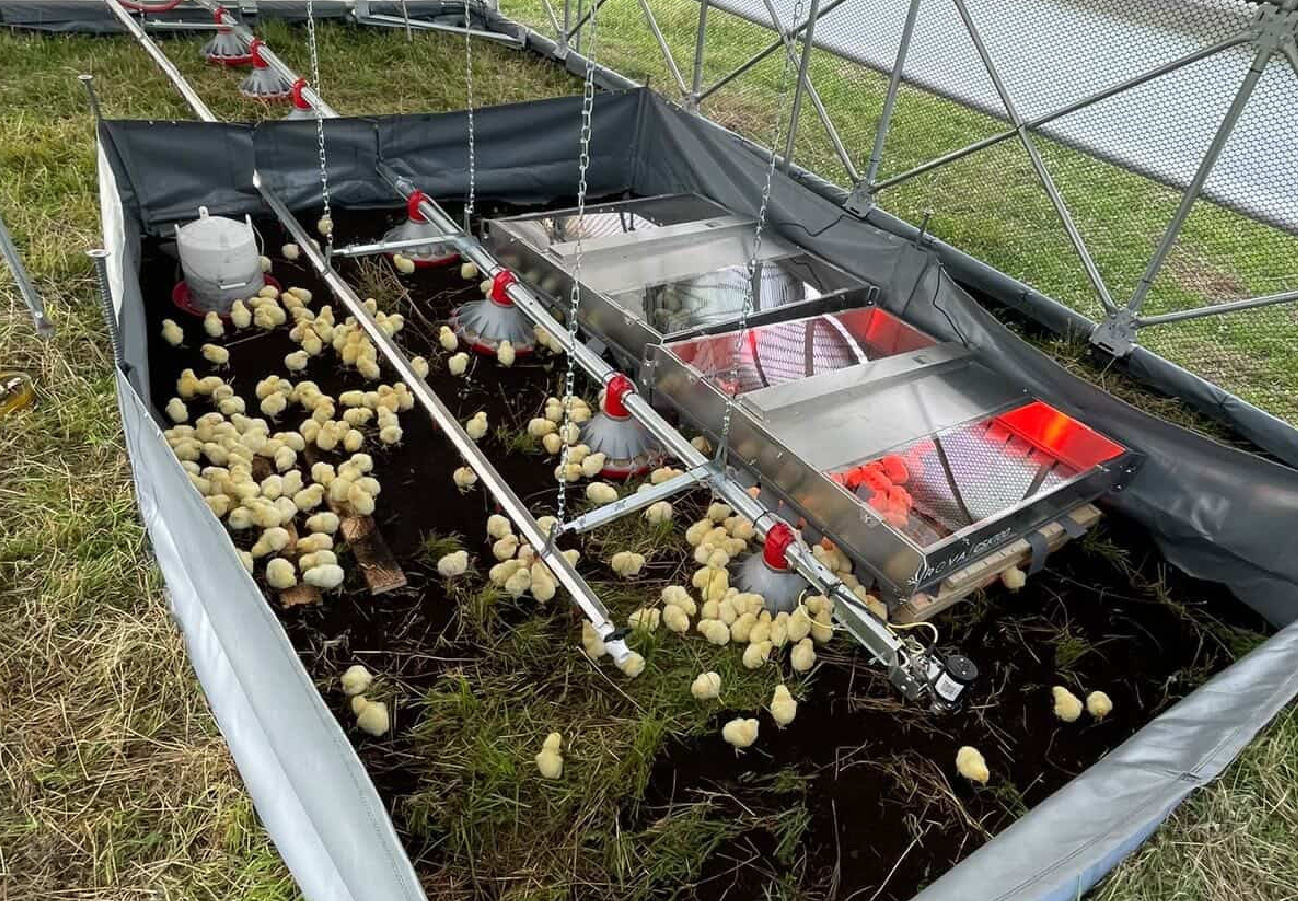
Westbrook Farm is now using the ROVA|BARN 400 with a brooder kit as part of their system.
According to Alex and Emily, they weren’t looking to replace their approach, just to support it, and the decision ultimately came down to practicality.
The ability to bring feeding, watering, and waste management into a more consistent system meant they had less time to spend on repetitive tasks and more time to focus on the birds and the farm as a whole. They were also looking for a product that came with support.
“[UKKÖ]’s level of care and responsiveness has been exceptional… it’s clear they genuinely care about both their product and the farmers who operate it.”
What Changed on the Ground
The biggest shift for Westbrook Farm since using their automated barn has been how their days are structured.
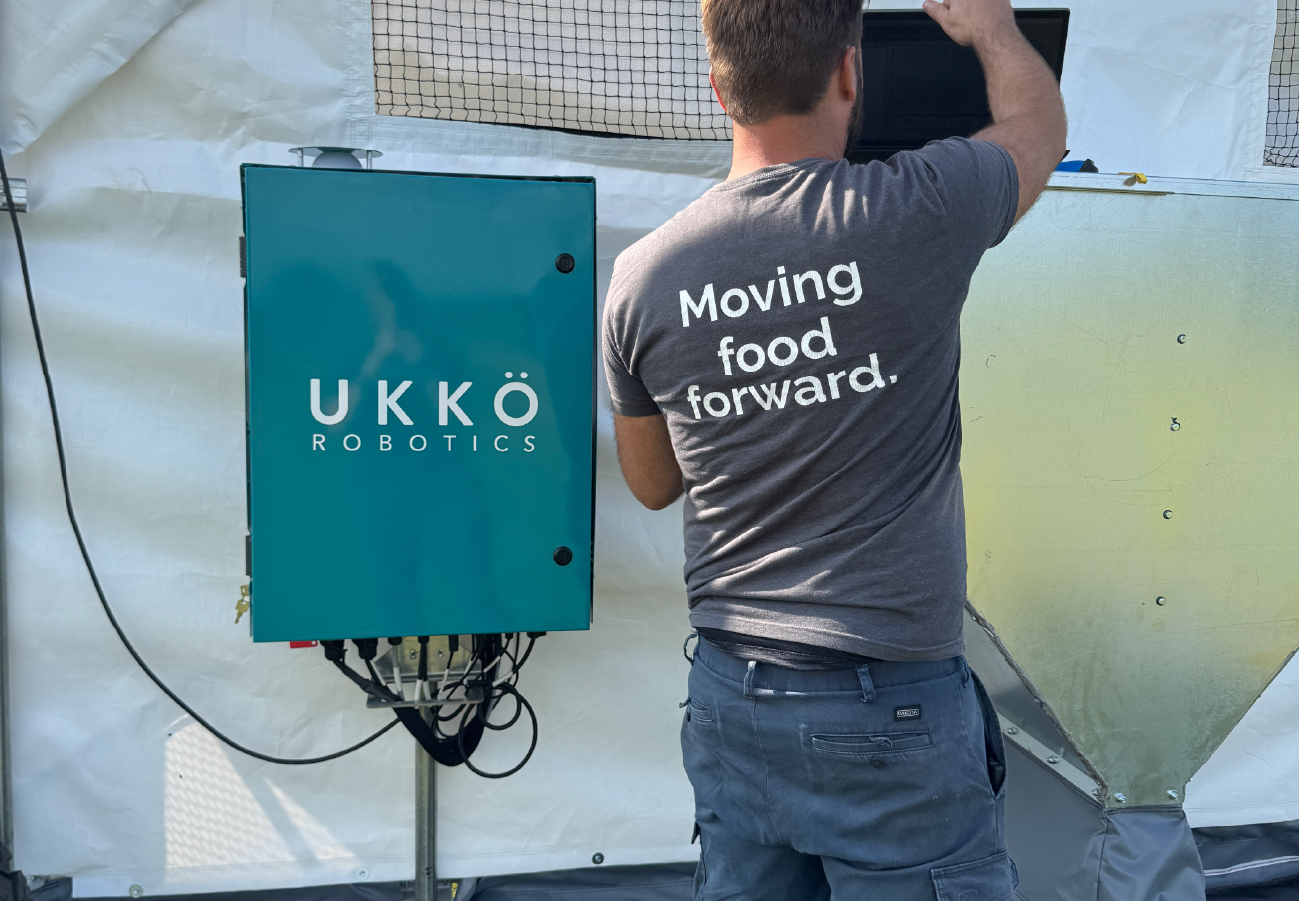
Instead of constantly switching between tasks, much of their daily routine now runs on a more consistent system, where feeding, watering, and environmental conditions are managed to reduce the need for constant intervention.
“It allows us to automate key daily tasks like feeding, watering, and waste management while still providing the birds with a clean, safe environment that supports natural behaviours.”
From what we’ve seen across hundreds of farms, this is where automated systems start to make a difference, not by removing work entirely, but by changing the kind of work that needs to be done.
No Compromising on Care
One of the concerns that often comes up when people consider automation is whether it compromises animal welfare. In this case, it’s done the opposite.
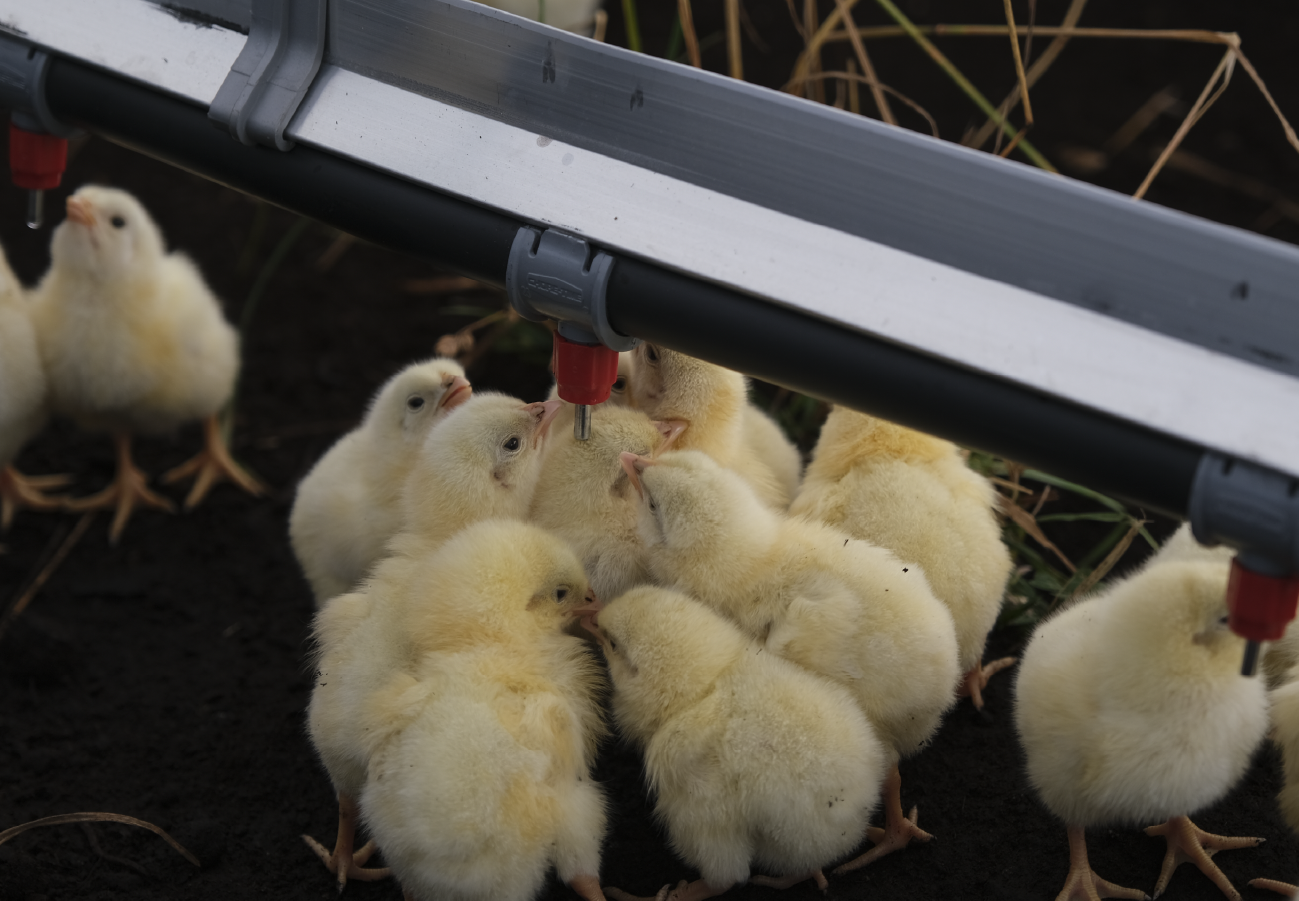
The automated system allows their birds more consistent access to feed and water, better temperature control through features like blind shades, and improved monitoring through built-in cameras, all while keeping them on pasture, where they can move and behave naturally.
This balance is what farms like Westbrook are trying to achieve—maintaining quality while making the operation more manageable.
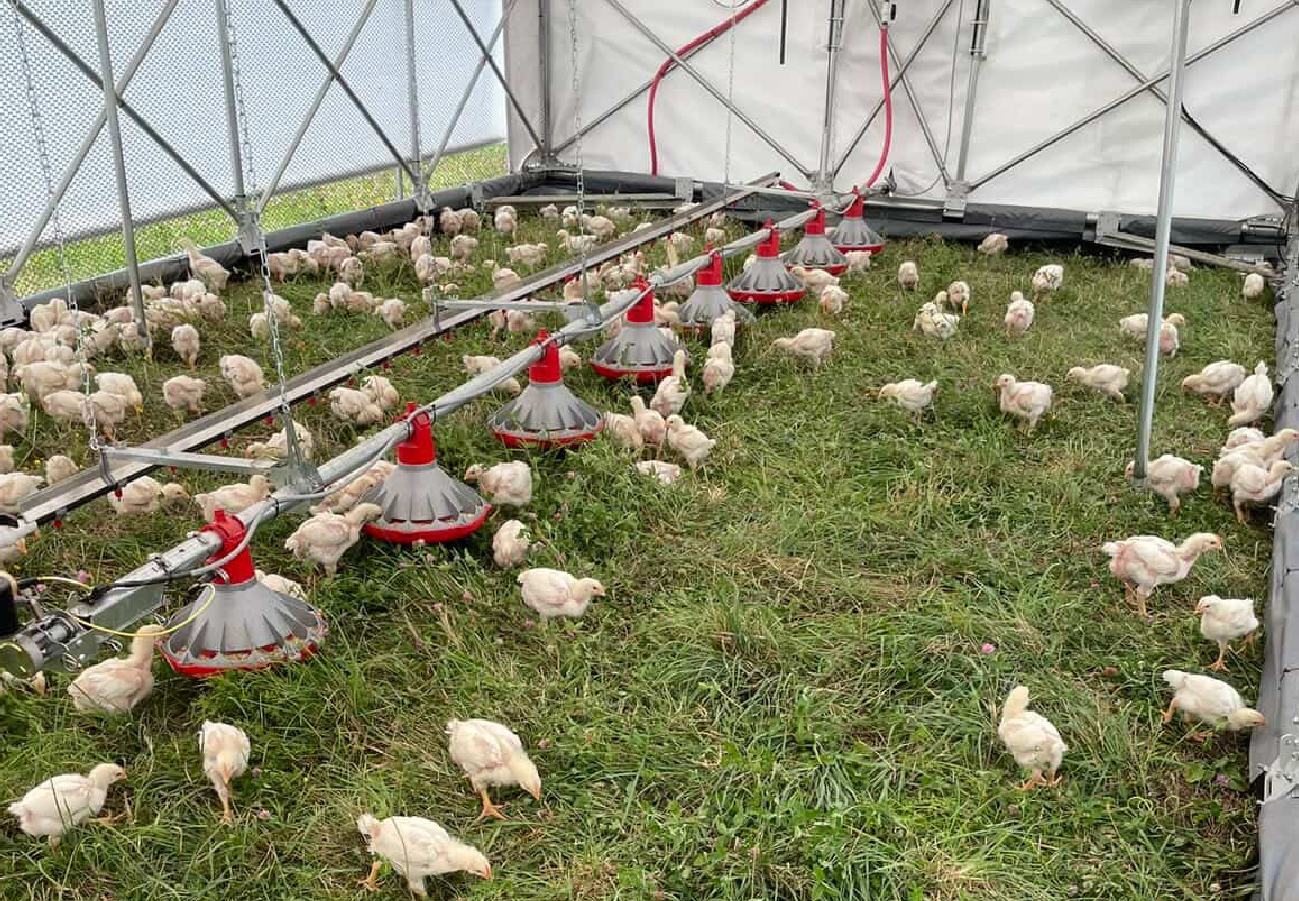
Westbrook Farm pasture poultry operation expanding production with automated barn technology and reduced labour demands
Making Growth Possible
With a more stable system in place, Westbrook Farm has been able to start thinking differently about its growth.
“The system has allowed us to significantly reduce labour requirements, improve consistency in bird care, and increase the number of birds we’re able to raise.”
That shift matters greatly for first-generation farms, which face many constraints.
“For farms like ours, where time, labour, and resources are often limited, systems like this help bridge the gap between traditional farming methods and the ability to meet growing demand.”
What This Says About Where Farming Is Going
Westbrook Farm seems to reflect a broader shift we’re seeing more and more often: farms built intentionally, focused on quality, and trying to stay close to the land while still finding ways to be sustainable over time.
The goal is not to scale at any cost, but to scale in a way that holds onto the values that made the farm worth building in the first place.
Looking Ahead
Alex and Emily are still early in their process, but they’re quite clear about where they are going.
They plan to expand their operation, continue refining their system, and keep building a farm that works for their family and their community.
“We hope to invest in the largest ROVA|BARN model next (the ROVA|BARN 700) to further expand our production and meet increasing demand.”

Learn More About Automated Barns
If you’re running a pasture-based system, or thinking about building one, and want to understand how this looks in practice, you can learn more about the ROVA|BARN or book a demo to see how it works on real farms.
We’re always open to those conversations because we’re farmers ourselves, and we understand how important it is to get the details right.


