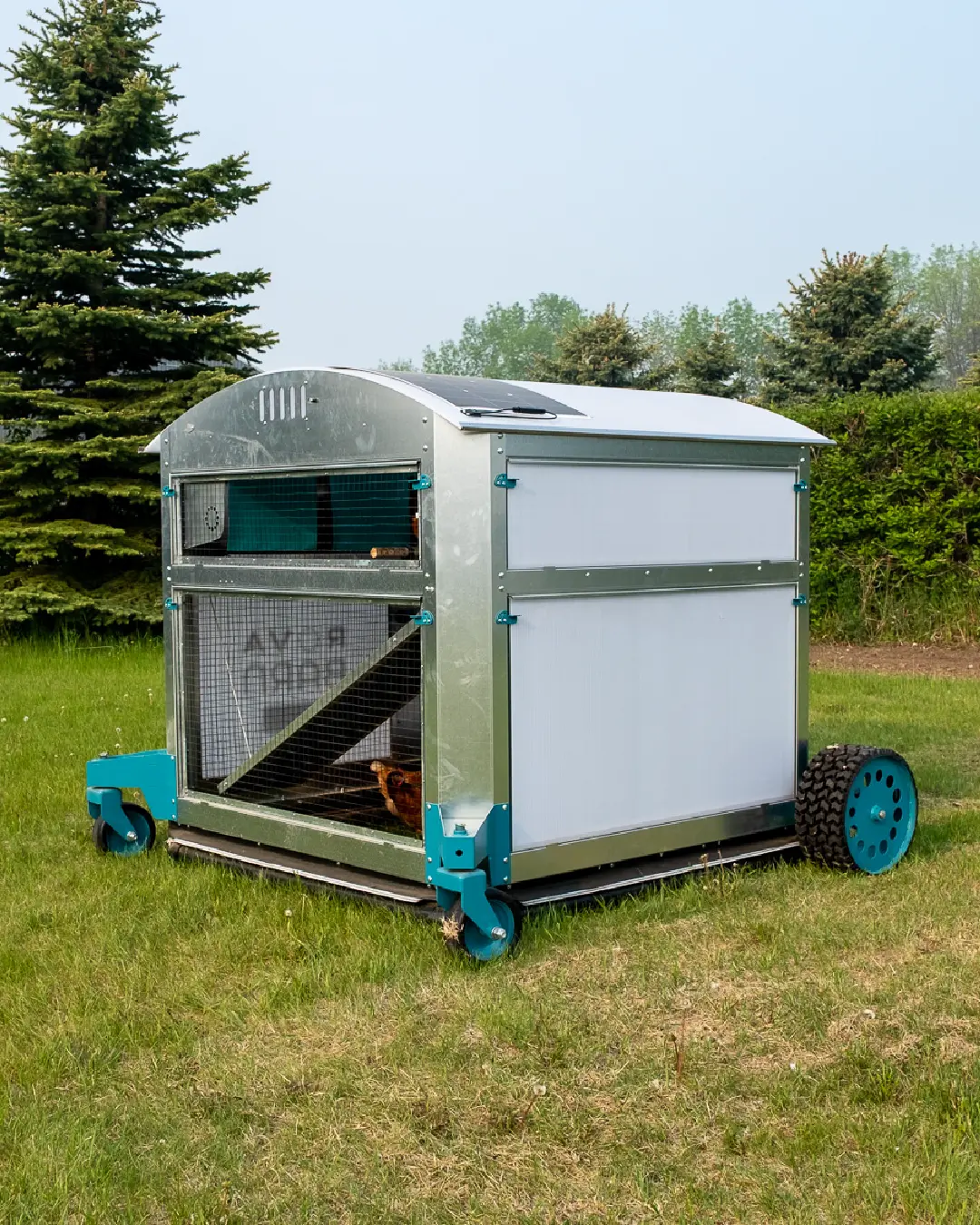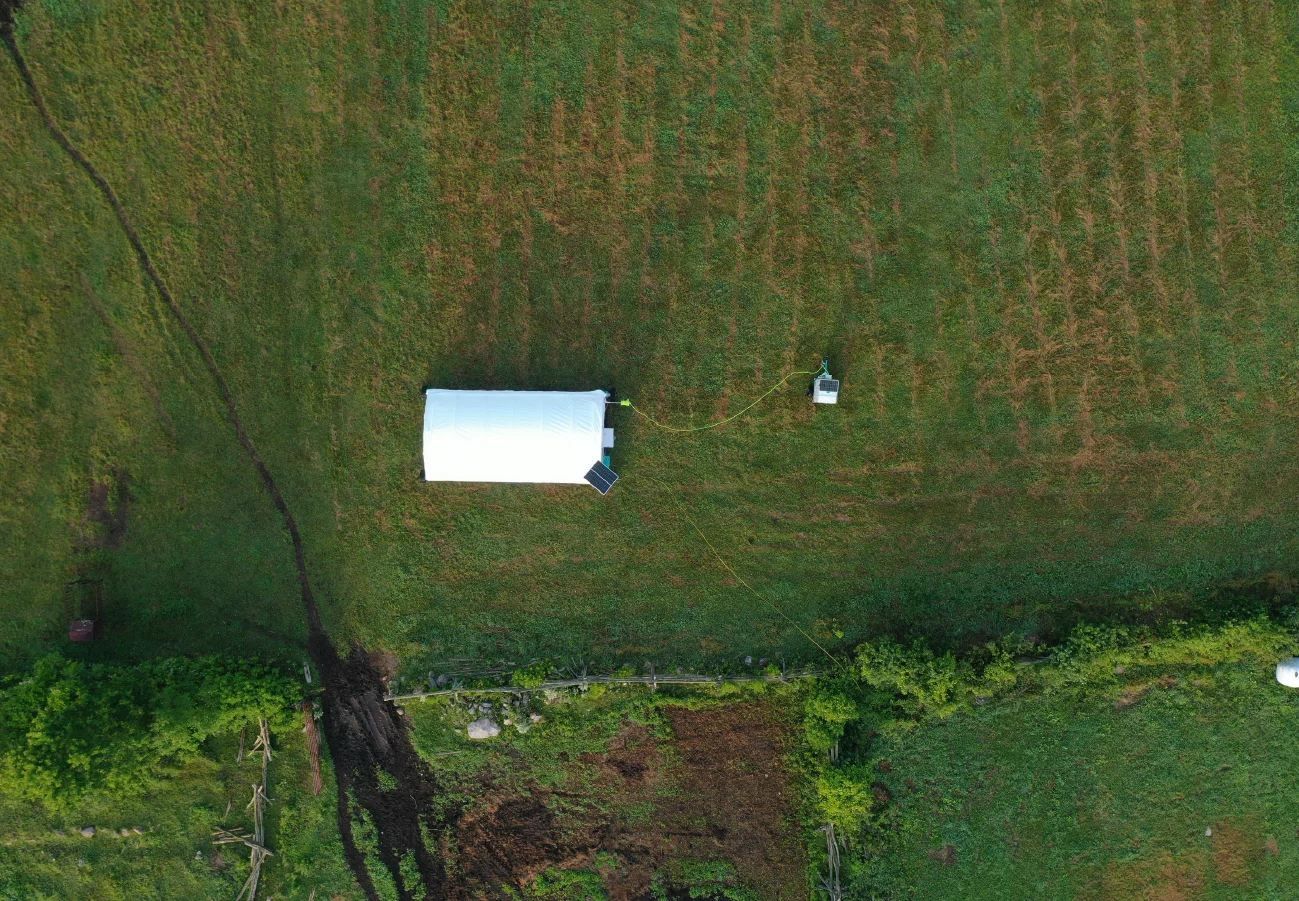
Young chicks moving freely beneath an elevated watering system inside a mobile poultry barn, designed for growth and easy adjustment.
Quick Chicken Coop Checklist
At its core, your coop should give your birds:
- A secure, predator-proof shelter
- Enough space to move, graze, and rest without crowding
- Steady airflow (without blasting drafts)
- Clean feed and clean water
- Roosting bars and nest boxes for layers
- Dry bedding and a floor that’s easy to clean
- Light and shade
- A place to dust bathe
- A simple routine you can keep up all season
Let’s unpack each need and show how they play out in day-to-day farm life.
1. A Safe, Weatherproof Structure
Chickens don’t ask for much, but they do need a strong, tight shelter. Predators test weak points and weather exploits gaps, so a good coop protects against both.
Look for:
- Solid walls and a roof that won’t flex in the wind
- Hardware cloth on openings—not chicken wire
- Latches predators can’t pry open
- Tight seams to block rodents and snakes
- A covered or partially covered run if you’re stationary
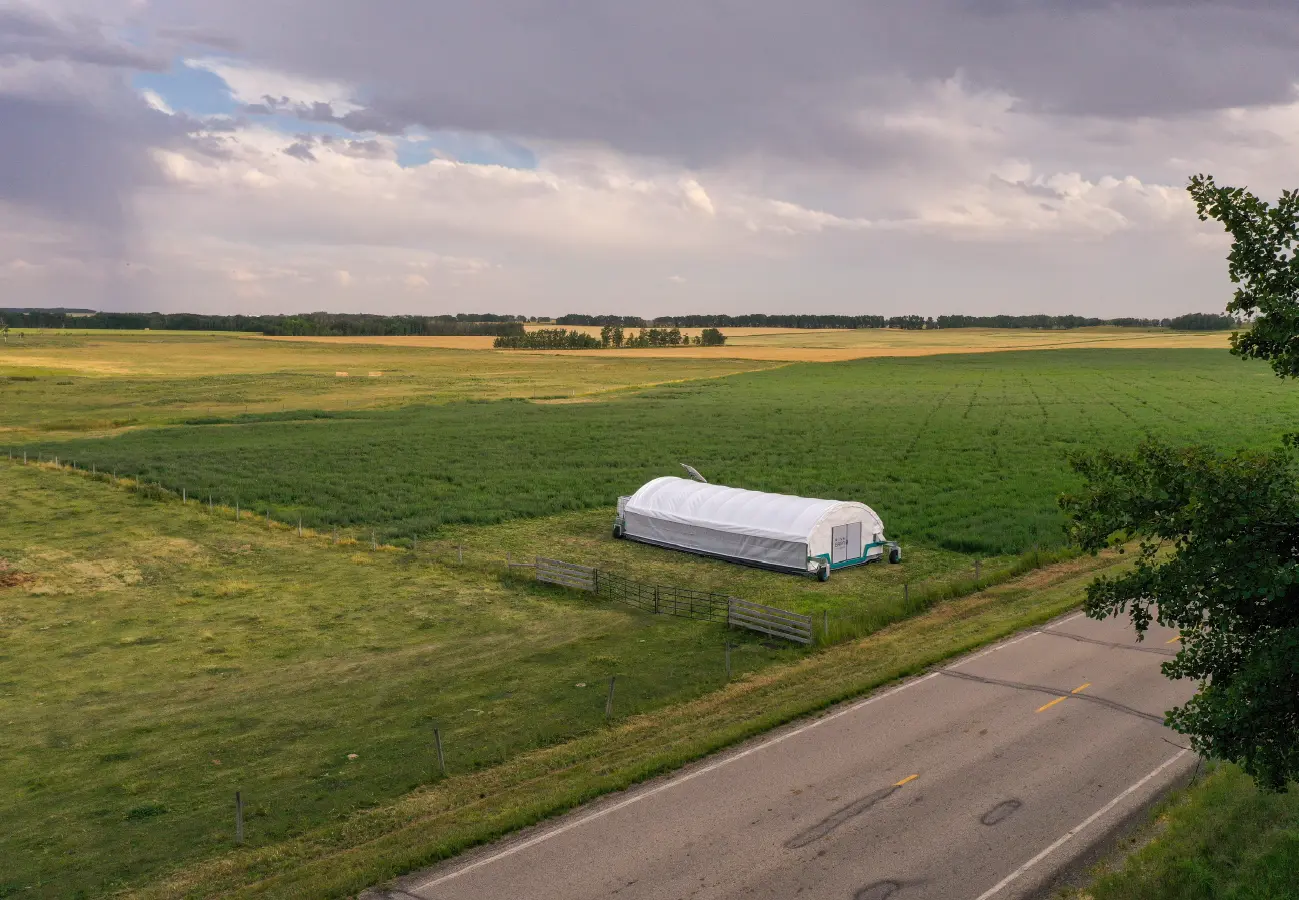
Pasture farms need a little more, and the ROVA|BARN uses heavy-duty side netting and an electrified skirt that hugs the ground even on uneven pasture. It keeps out diggers, chewers, climbers, and anything that thinks a chicken dinner sounds easy.
We also built our frames to take prairie weather. When you farm where storms can show up sideways, you learn quickly that a coop is only as good as its weakest joint.

2. Enough Space for Calm, Healthy Birds
Crowding is one of the fastest ways to stress your birds as chickens need room to move, stretch, rest, and graze, especially on pasture.
A common guideline for stationary coops:
- 1.5–2 square feet per bird inside
- 4–5 square feet per bird outdoors
On pasture, space works differently. When birds are moved often, grass becomes part of the system, so birds can spread out, stay calmer, and pick up more nutrition from forage instead of pacing or piling.
Space requirements also vary by country and production system. Some regions in Europe, for example, require much larger outdoor run areas, so you should always check your local regulations before setting stocking densities.
Inside the ROVA|BARN, the layout gives birds room to reach feed and water without crowding, quiet areas to rest, and wide interior paths so daily checks are easy (we’ve even had farmers camp inside the barn with their kids before chicks arrived, which says a lot about how usable the space really is!).
Before you build or buy a coop, stand inside the footprint and ask yourself: Would I work in here every day? If the answer is no, your birds will feel it too.

3. Ventilation and Air Quality
Airflow matters more than most new keepers expect. Good ventilation:
- Removes moisture
- Reduces ammonia
- Keeps litter dry
- Protects lungs (yours included)
- Stops frostbite in winter and heat stress in summer
The trick is getting airflow without direct drafts hitting birds at night. Stationary coops often rely on roof vents and screened windows, but our ROVA|BARN takes that idea further with a sensor-powered curtain system.
A temperature and humidity sensor watches conditions inside, and if things climb too high, or if wind or rain shows up, the curtain system adjusts automatically. For us, the best part is that you don’t need to run outside during a storm to close a flap.

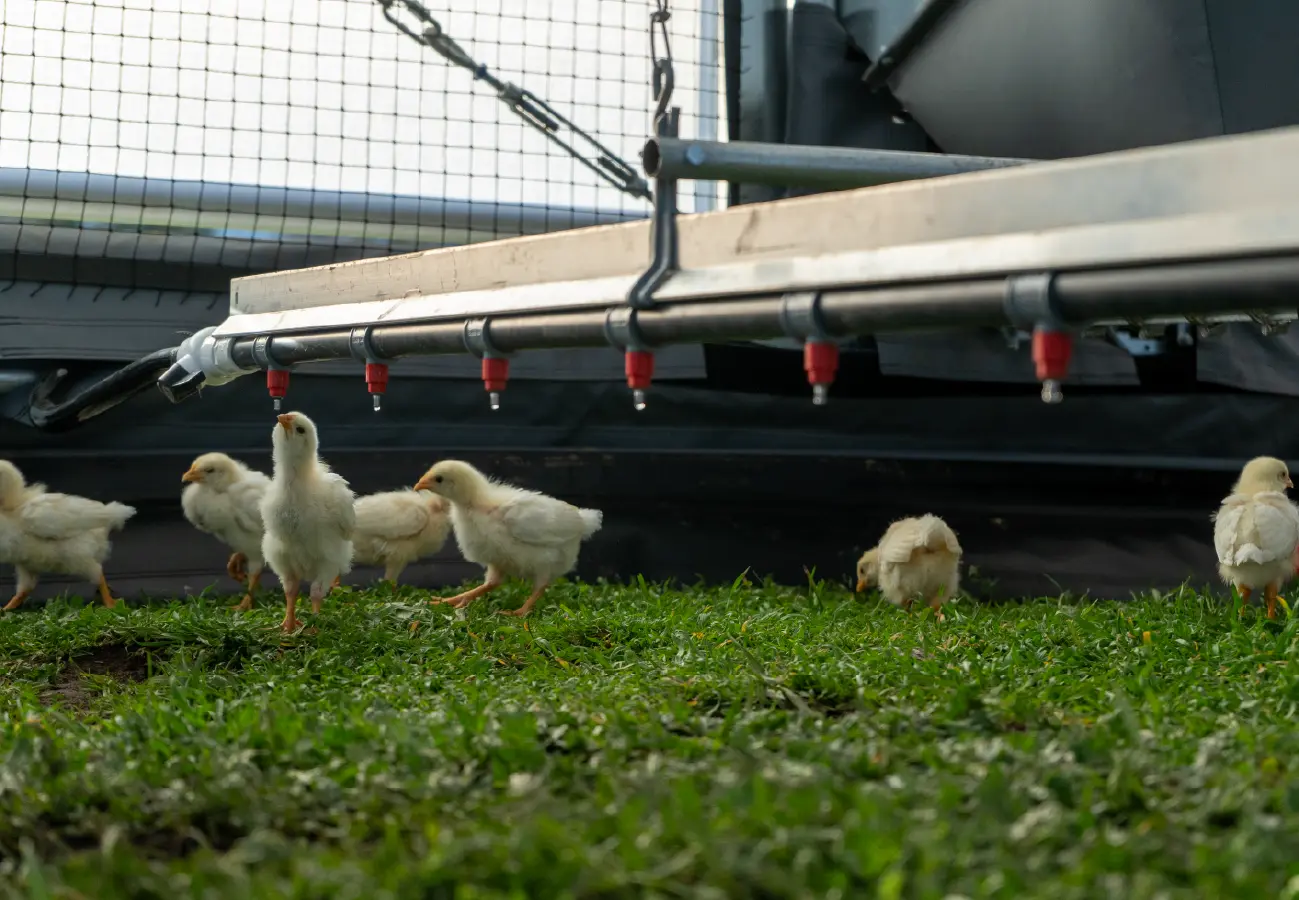
Broiler chickens drinking from a nipple waterer line inside a mobile poultry system, ensuring clean and consistent water access.
4. Feeders, Waterers, and Clean Daily Access
Healthy birds need steady access to feed, clean water, and grit, which sounds simple until you’re hauling buckets in the rain or carrying feed to the far end of a pasture.
What birds need:
- Enough feeder space so timid birds are not pushed out
- Clean water that stays clean
- Feeders placed so birds do not walk through them
- Easy cleaning between batches
- Free-choice grit to support digestion and feed efficiency
Grit plays an important role in a chicken’s diet as it helps your birds grind their feed, improves digestion, increases feed efficiency, and reduces digestive issues. A small, dedicated grit feeder lets birds take what they need, especially in coops or pastures without natural access to small stones.
With the ROVA|BARN, feed and water reservoirs provide 5–7 days of autonomy depending on bird age. Feed drops automatically on a set schedule, and the water line pulls from a filtered onboard tank so impurities stay out of the nipple line.
Ask yourself: how often do you really want to carry feed, water, and grit? Your coop design should match the reality of your daily workload.

5. Roosting Bars and Nest Boxes for Layers
Layers have two special needs: a place to sleep off the ground and a place to lay in privacy.
Roosting bars:
- Rounded edges, solid grip
- About 18–20 cm (8 inches) per bird
- High enough to feel safe, low enough to prevent hard landings
Nest boxes:
Nest boxes can be individual or communal, depending on your setup.
For individual nest boxes, plan for one nest per four to five hens. Communal nest boxes work differently and can serve more birds, and a common guideline is around 20 to 25 hens per foot of communal nest space.
- Nest boxes should be darker, quiet, away from other birds, and lined with clean bedding or a nest pad (these are super easy to clean!)
- They are designed to keep eggs clean and reduce floor eggs
The ROVA uses communal roll-out nests with curtains for privacy and clean collection. Eggs roll forward into a protected tray, which means less breakage and no stepping through the flock to gather your eggs.

6. Bedding, Flooring, and Manure Management
Manure builds up fast, so a good coop should make it easy to manage.
Your birds need:
- Dry, absorbent bedding
- A floor that doesn’t trap moisture
- A cleaning routine you can actually stick to
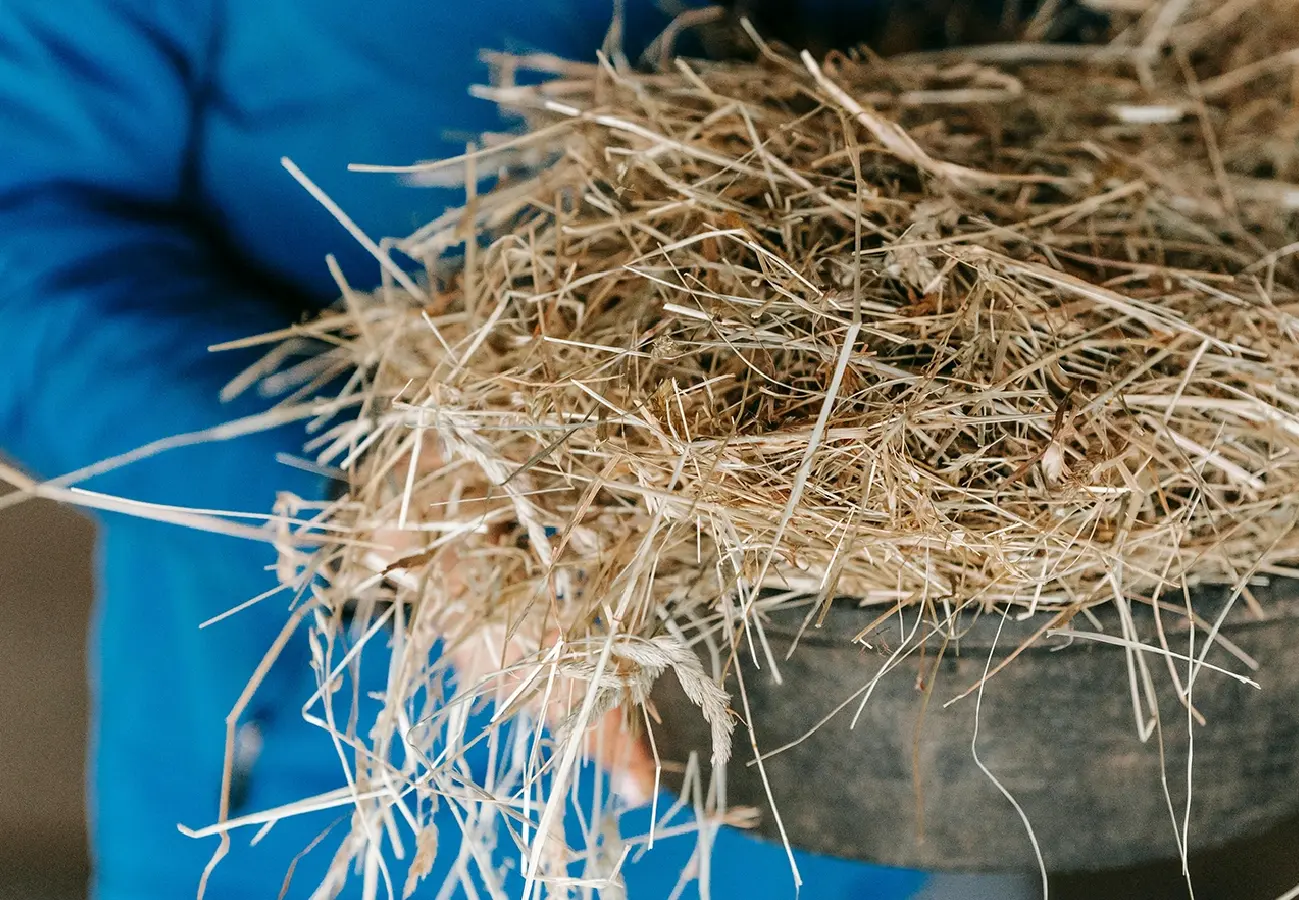
Pine shavings and straw work well, while hay tends to mat and mold. Some keepers use poop boards under roosts to catch most bedding and manure in one swipe.
The ROVA|BARN interior is fully waterproof, which means you can treat it like equipment and not like a delicate wooden shed. You can pressure wash, rinse it, and you’re done.
And because the barn moves to fresh grass daily, manure spreads naturally instead of collecting in one muddy corner. Your land will thank you.

7. Light, Shade, and Daily Rhythm
Birds follow light, and to keep egg production steady during shorter seasons, hens need about 14–16 hours of light per day. Soft LED lighting does the job well without stressing your birds.
Shade is just as important and chickens can overheat quickly. A roofed run or natural shade can make the difference between calm birds and panting, stressed birds.
On pasture, the solution is simple: keep your birds moving. Daily movement puts them on cooler ground with fresh vegetation, which keeps their temperatures down and their behaviour natural.

8. Dust Baths, Enrichment, and Pasture Time
Chickens stay healthiest when they stay busy. They need a spot to dust bathe, with dry soil, sand, or a mix with wood ash. Dust keeps their feathers clean and helps control mites.
Birds also enjoy:
- Logs or branches to climb
- A few hideouts for shy birds
- Different heights in the run
- Dry areas for scratching
- Fresh grass and bugs
The ROVA|BARN handles a lot of this through movement. Birds step onto new grass multiple times per day when you schedule automatic moves, and they pick through forage, hunt insects, and stay engaged, without getting bored or destructive.

9. Adjusting for Species, Seasons, and Growth
Different birds have different needs.
Broilers:
- No interest in high roosts
- Sensitive to heat
- Need steady airflow and clean bedding
- Benefit from frequent pasture moves for better growth
Layers:
- Need roosts, nests, and a steady laying routine
- Do better with lighting schedules and quiet laying areas
- They can handle heat but still need careful attention
Ducks, turkeys, mixed flocks:
- Need wider doorways
- Different drinking systems
- Different spacing
Winter adds another layer to this as birds need protection from wind, ventilation high in the roofline, and frost-free water. The ROVA winter kit heats the water tank and lines so birds stay hydrated even on cold days.
10. Before You Build or Buy
Before you decide on a chicken coop to build or buy, ask yourself:
- How many birds am I planning for, now and later?
- Do I want daily chores or a system that runs on automation?
- How will I handle predators?
- What’s my plan for manure on my land?
- Do I need lighting for winter eggs?
- Do I need a coop that moves? Or stays put?
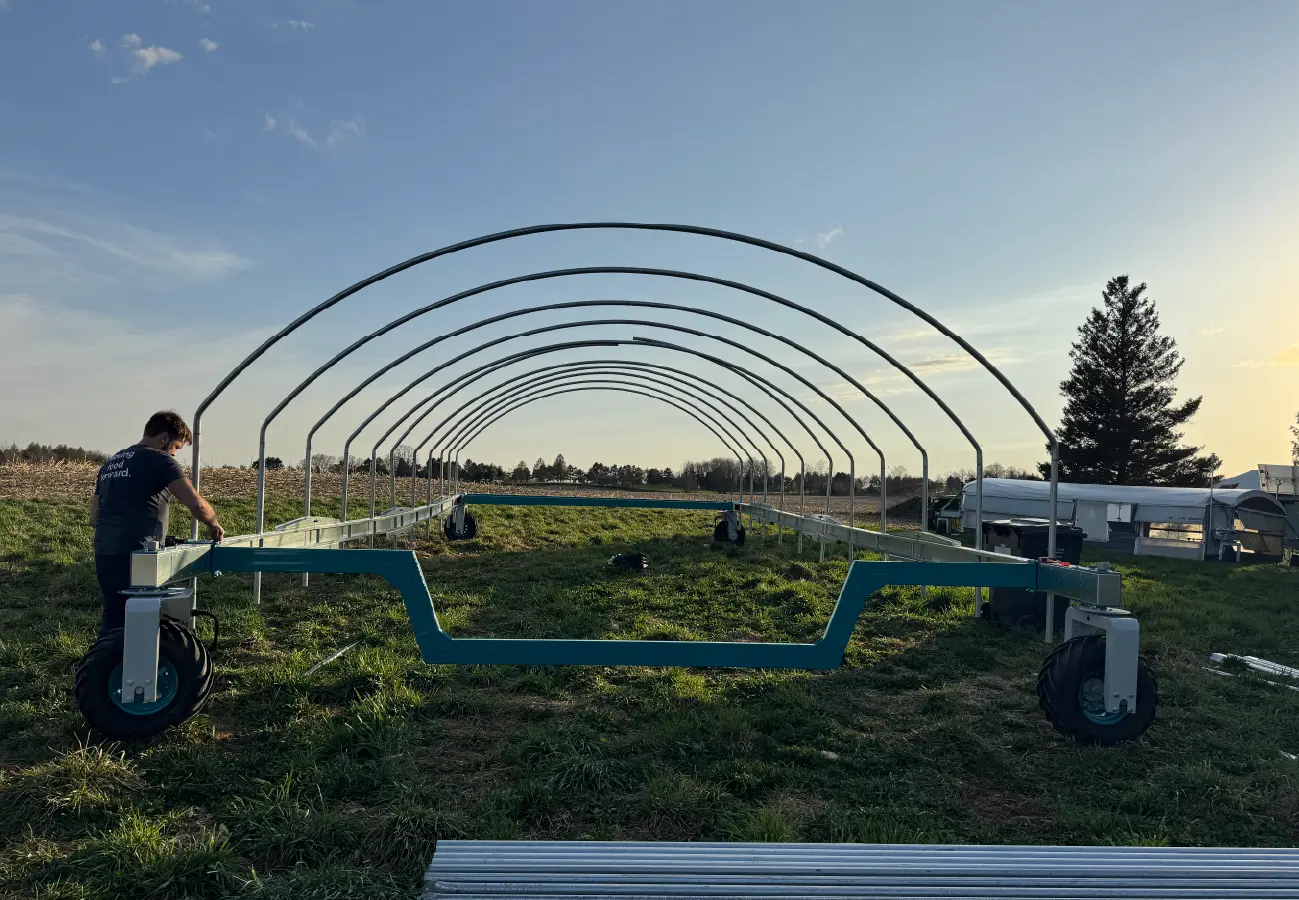
If you want a coop that moves itself, protects the flock, handles feed and water, adjusts ventilation, and spreads manure evenly across pasture, the ROVA|BARN wraps all of that into one machine.