Setting Up in Norway
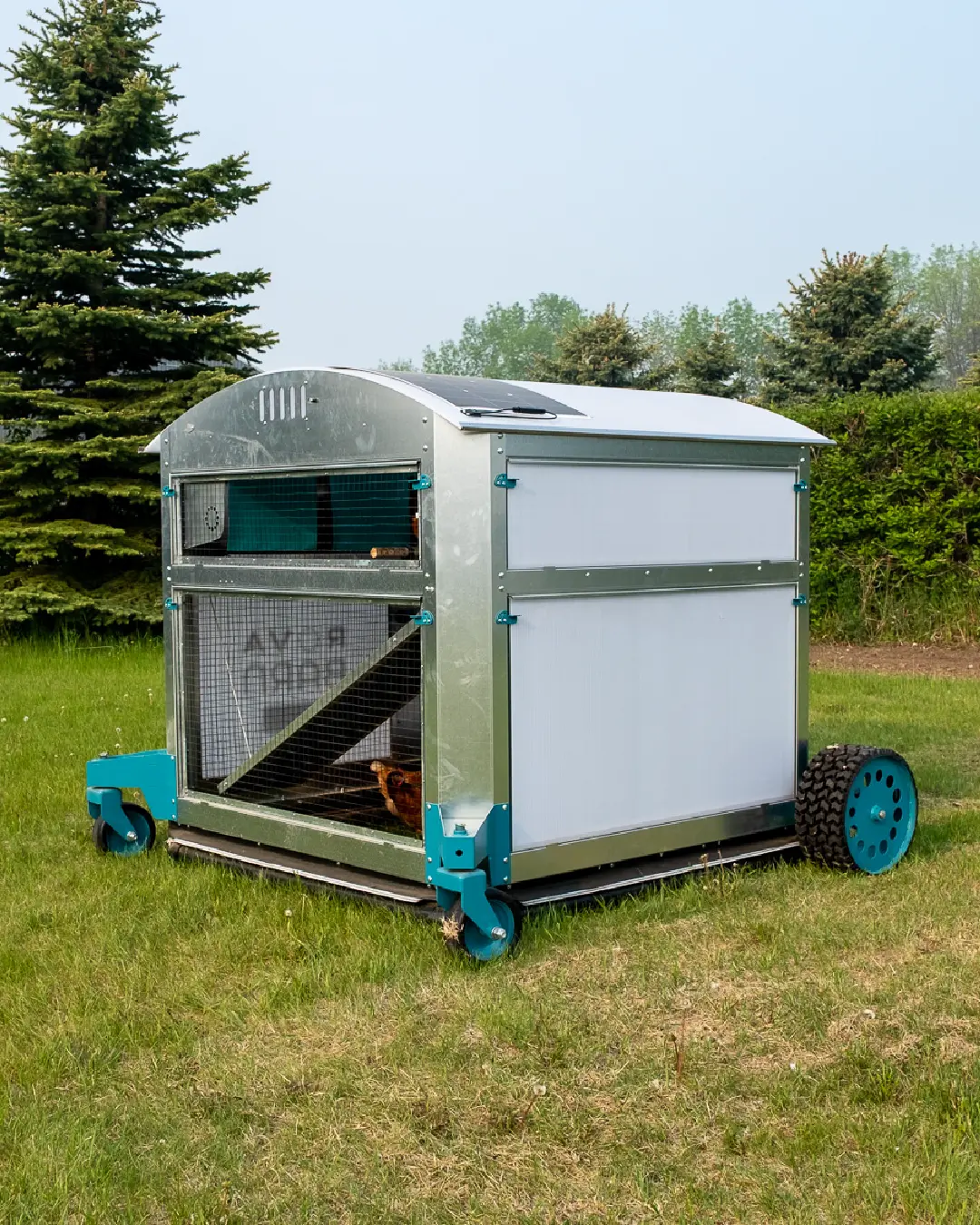
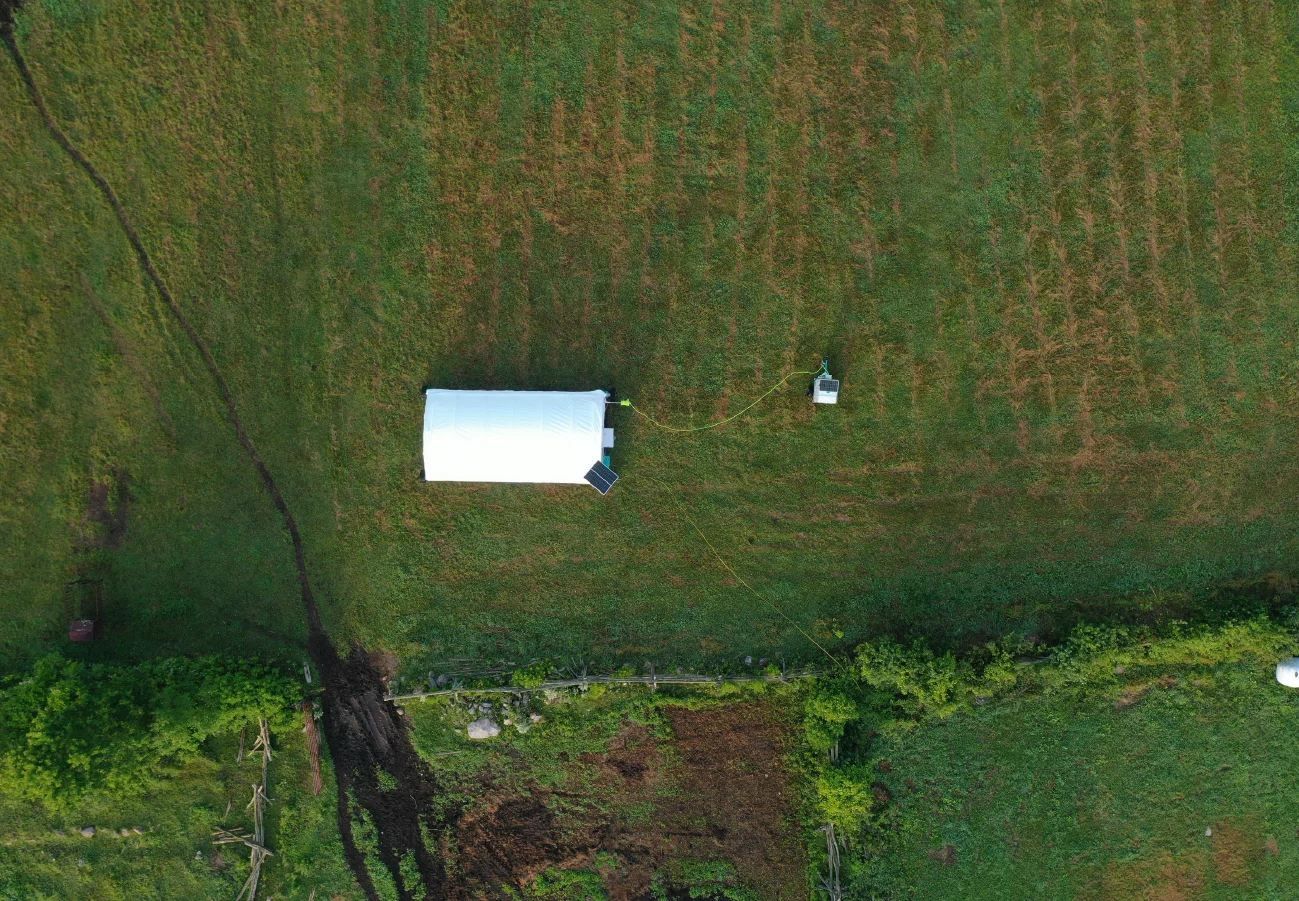
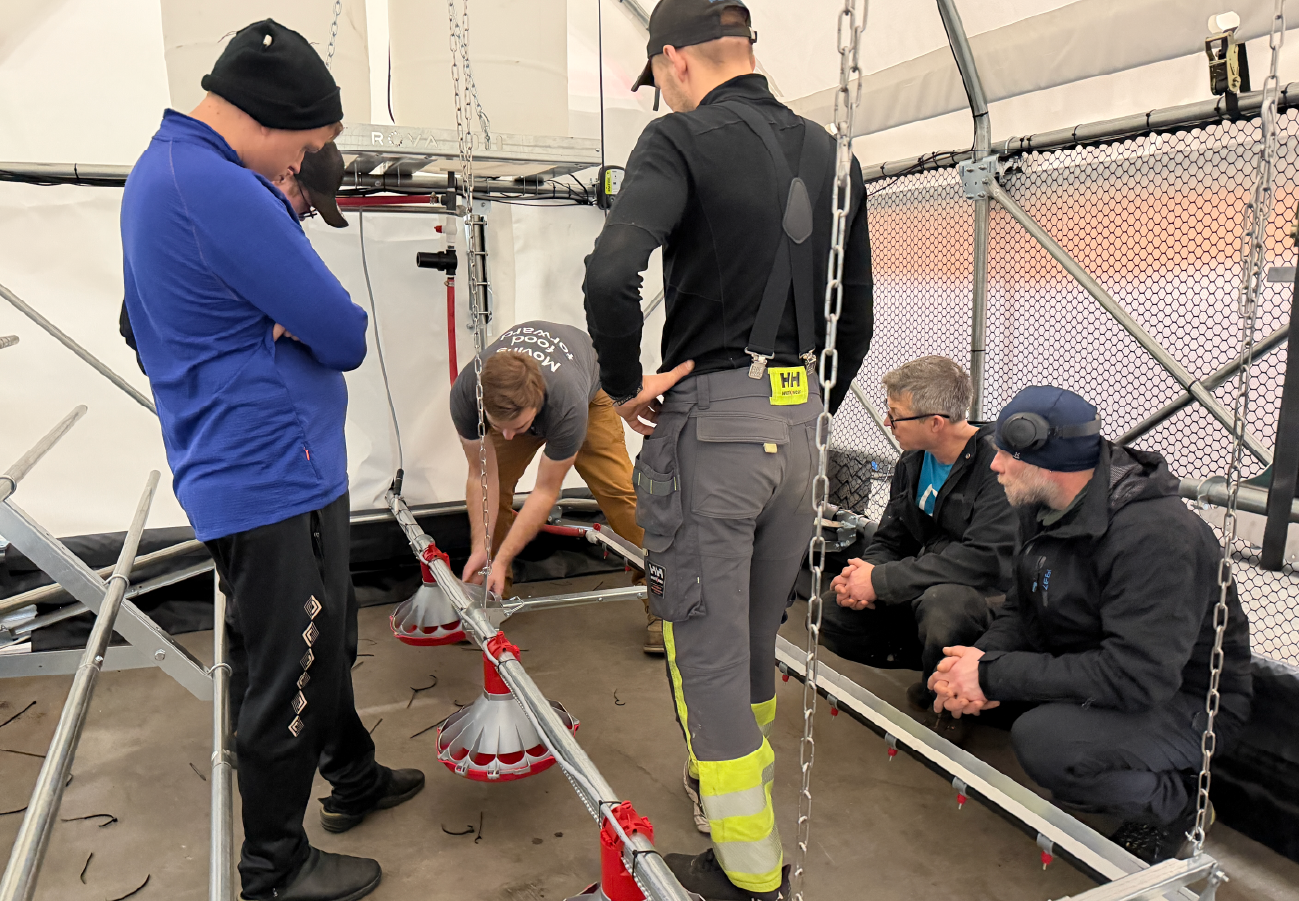
We started in Norway, where we spent two weeks with our new distributor, ATV Gården. We assembled two ROVA|BARNs for their test farm and for the Agrovisjon 2025 tradeshow. We walked through every part of the systems with their team: barn controls, onboard feed and water systems, battery and solar, the water trailer, and the feed trailer.
We also sat down together to surface what should change for Norway’s climate with strong winds, heavy cloud cover, short days, and steep terrain in some areas. We spent some time on the farm testing how everything responded to those conditions so we could build the right updates going forward.

How Europe Uses Land
Most farms we visited in Norway sat on only a few acres, and we learned that a hundred-acre farm is considered large. Norway is not part of the EU, and land ownership works differently there. Parcels stay in families for generations, and buying new land is rare.
Because land is limited, farmers focus on efficiency per acre. Many run several operations on the same ground, and eggs, broilers, dairy, small vegetable plots, and direct-to-consumer sales often exist side by side. Every decision has to make sense for the land they already have.
Switzerland felt similar in scale, with small farms shaped by terrain and long-standing land boundaries.
Denmark was different. Farms there are often much larger, and it was common to see dairy farms with 500 to 700 cows and thousands of acres, closer to what we see in North America. The landscape is flatter, and expansion is more realistic.
Across all three countries, we met farmers looking for tools that help them work smarter, save time, and increase output without adding labour or complexity. Automation matters, whether the farm is ten acres or ten thousand.

The Agrovisjon Tradeshow
Agrovisjon in Stavanger is one of Norway’s major ag events. The crowd included dairy farmers and commercial poultry farmers, and the show covered everything from small-scale livestock systems to grain, forestry, tractors, and tech.
The question we heard most often at the UKKÖ booth was “Will it handle winter?” But when we told people we were from Canada, they nodded and understood that we built everything for snow, ice, and long months of cold.
After that, most questions we received were about capacity under local poultry regulations, how the ROVA|BARN moves across a field, especially the parallel and perpendicular motion, and how birds respond to a mobile barn in wet and windy conditions

Farm Visits Across Three Countries
We visited small organic farms, mixed farms, and layer and broiler operations across all three countries where we travelled. Most of these farms were raising 200–1,000 layers on pasture and a few hundred broilers, and many raised their birds the same way year-round, even in wet or cold regions.
Each farm felt different—in Norway, the pasture was near the North Sea with rocky ground, narrow fields, and winds strong enough to make you lean into it. Switzerland had steep hills, clean rivers, and farms tucked into mountain valleys with limited flat land.
Denmark was open, with flat landscapes where you can see for miles. Here, we noticed many organic poultry farms and a strong interest in new ways to raise birds outdoors while meeting strict regulations.
What Farmers Told Us
At the tradeshow and during our farm visits, biosecurity and bird flu came up in almost every conversation. Both are top concerns for farmers right now.
Outdoor poultry rules are strict across Europe, and they vary by country, so what works in one market does not automatically work in another. Even small differences in regulations can affect how barns are designed, moved, or managed. Farmers talked openly about the pressure to keep birds on pasture while staying compliant with changing standards.
Many were looking for tools that help them move birds safely without adding labour, keep water clean, provide structure on wet ground, and reduce workload during the busiest months.
They also wanted reassurance that mobile barns built for Canadian conditions can handle European winters, strong winds, and their long stretches of cloud.

What We’re Bringing Home
This trip showed us where our systems need to adapt as we expand across Europe.
Norway’s weather alone taught us plenty, where strong winds are constant, and heavy cloud cover limits solar for long stretches. Testing the ROVA|BARN in those conditions helped us see where wind support and different charging strategies make sense. It was great because these are the kinds of lessons we can only get by standing in a field with farmers and watching how our systems handle new environments.
The trip also confirmed something important for us: across all three countries, there are pockets of people willing to pay for premium food and who care how it is raised, which creates real opportunity for pasture-based farms that do things well and tell their story clearly.
We saw strong alignment with UKKÕ and European farmers. They want efficiency and simple systems that respect the land they have and make outdoor poultry practical without adding strain.
We came home with a stronger distributor in Norway, new relationships in Switzerland and Denmark, and a clear list of improvements that will make the ROVA|BARN better for farmers everywhere.