


What Happens When You Move Animals More Often
On many farms, moving animals once per day is already a strong practice as it gives your birds access to fresh grass and helps prevent overuse of a single area.
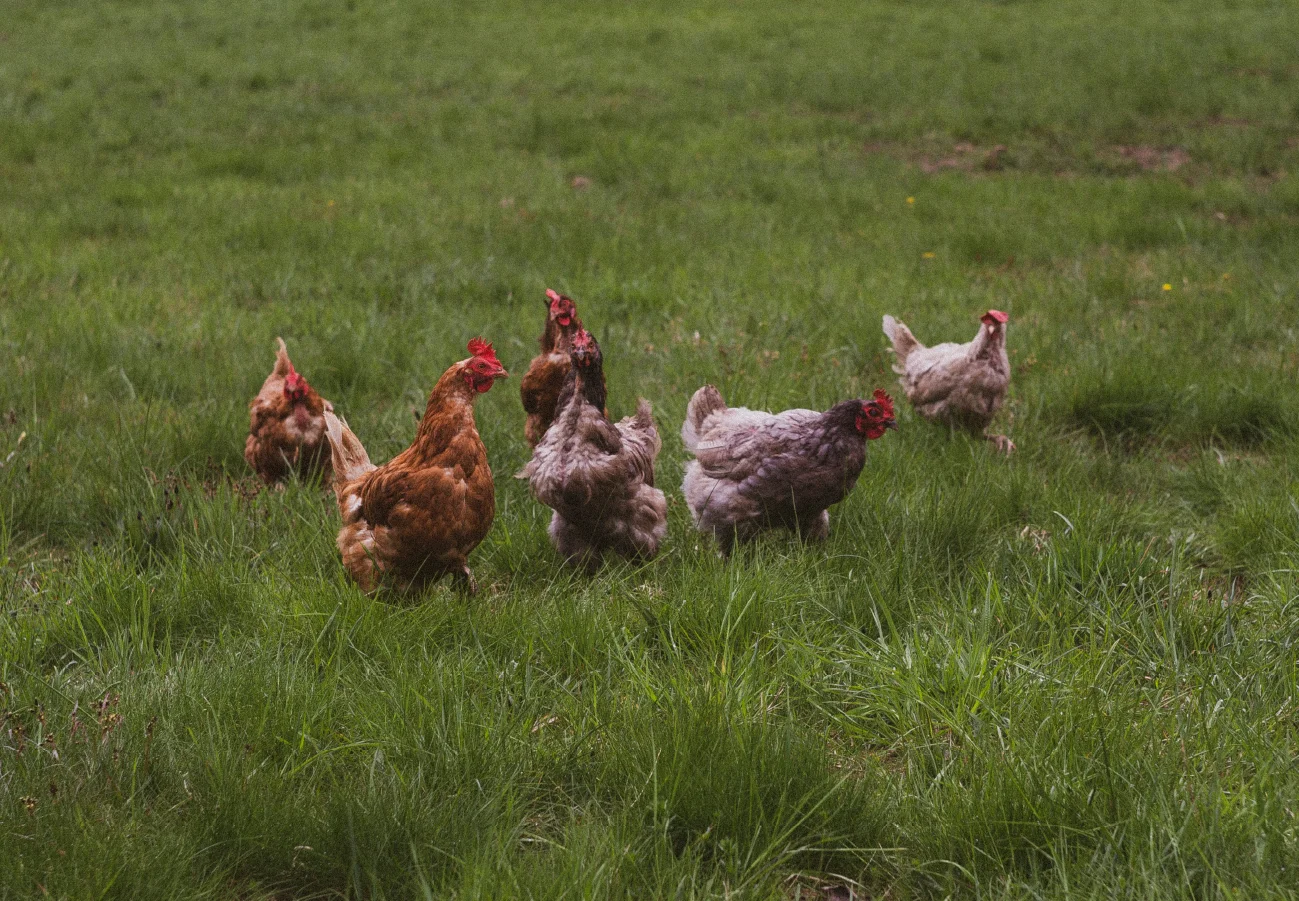
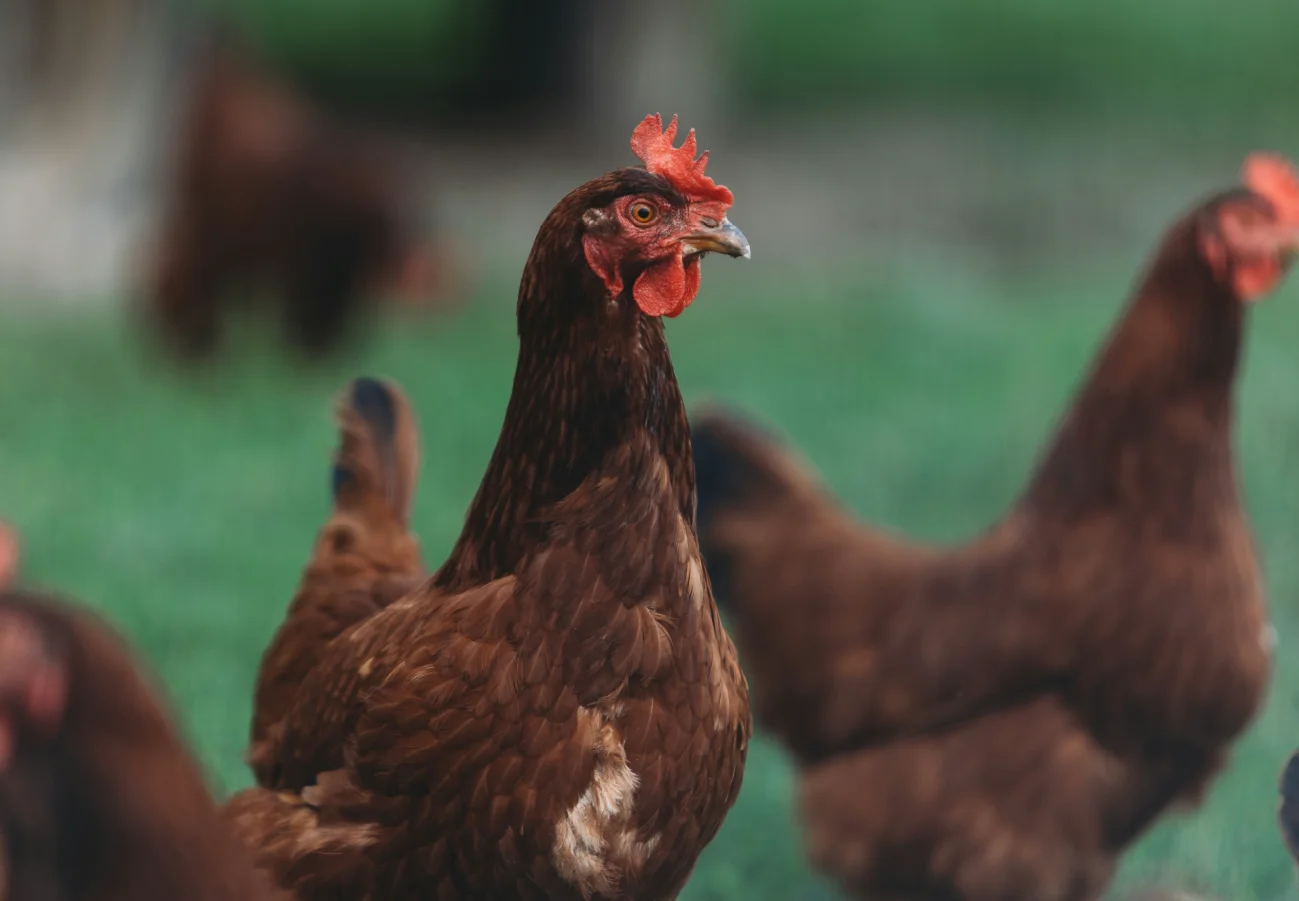
What we have seen, though, is that increasing the frequency of those moves changes how both the animals and the land respond. Chickens, for example, become noticeably more active when they’re moved onto fresh pasture multiple times per day. They spread out quickly, begin scratching right away, and stay engaged with the ground in front of them.
There’s also a behavioural pattern that develops over time. When the system signals that a move is about to happen, birds begin to respond before the barn even shifts. They associate that cue with fresh pasture, and they move forward on their own. That kind of response reinforces the idea that movement is not a disruption for them, but part of a rhythm they can actually adapt to.
See how the ROVA|BARN moves flocks throughout the day with no added labour.
More Even Impact on the Land
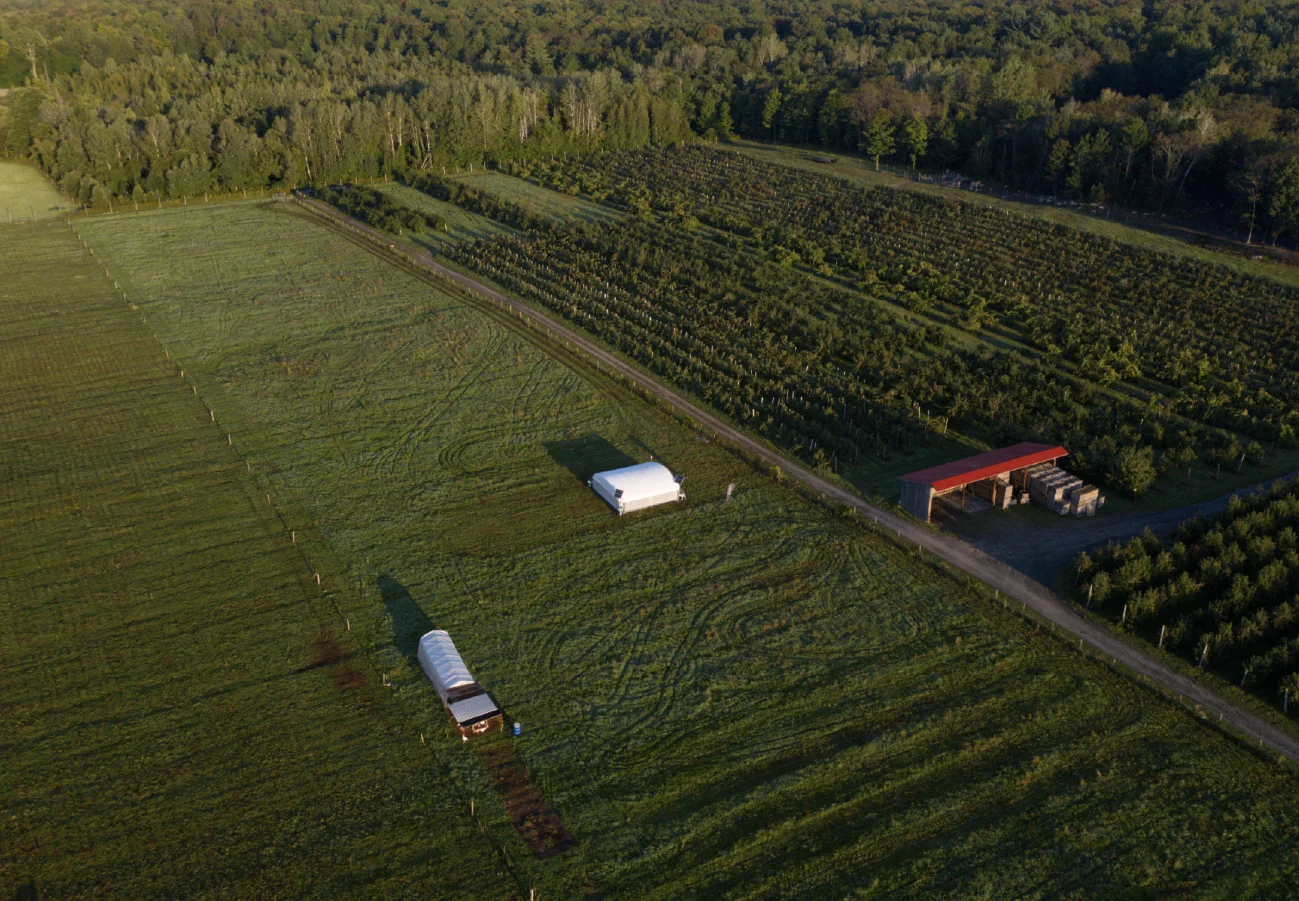
One of the clearest differences with more frequent movement is how the impact spreads across the pasture. When your animals stay in one place for longer periods, the pressure on that section of land builds quickly. Manure accumulates, the ground becomes compacted, and vegetation can struggle to recover.
By moving your animals multiple times per day, you distribute that pressure more evenly. Instead of concentrating nutrients in one spot, manure is spread across a larger area. The ground has less time to be trampled, and the pasture maintains a more consistent structure.
Over time, this leads to more uniform growth and faster recovery. You can avoid the extremes of overgrazed patches and untouched areas, and instead create a system where the land is used more evenly across the entire field.
Animal Health and Behaviour
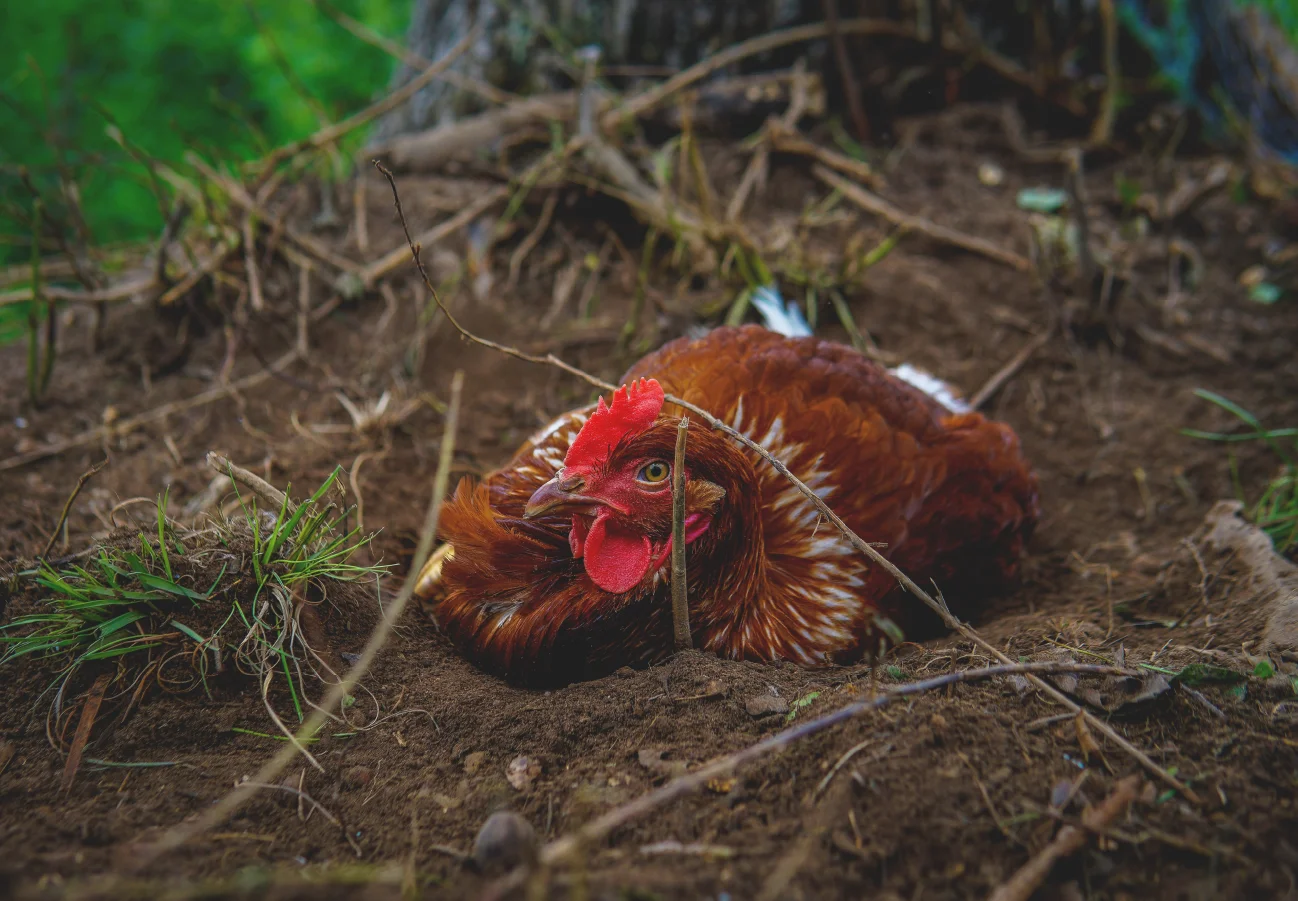
Frequent movement also changes how your animals behave throughout the day. With regular access to new ground, birds remain more active and curious. Each move introduces a new patch of grass, new insects, and new opportunities to forage, which keeps them engaged with their environment.
This level of activity appears to reduce stress as animals are not standing on the same ground for long periods, and they are not waiting for a single daily move. Instead, they follow a consistent pattern of movement and settling, which creates a calmer overall rhythm for them.
This results in a flock that tends to look more alert and comfortable. They spend more time expressing natural behaviours, and less time in a static environment that limits those behaviours.
Soil Health and Nutrient Management
Manure plays a big role in pasture systems, but how it is distributed matters as much as how much is applied. When too much manure builds up in one area, it can overwhelm the soil, leading to nutrient imbalances and damaged vegetation.
More frequent movement helps avoid that issue by spreading nutrients out over time and space. Each pass adds a smaller amount of manure, which the soil can absorb more effectively.
This approach also gives farmers more flexibility as movement frequency can be adjusted based on conditions. Wet ground might require lighter, more frequent passes to avoid damage, while stronger pasture can handle more pressure. New or less established pasture often benefits from smaller, repeated impacts rather than one heavy grazing event.
By matching the movement to the condition of your land, you create a system that supports long-term soil health instead of working against it.
Why Timing Matters
The timing of those movements is just as important as the frequency. Spreading moves throughout the day allows your animals to access fresh ground from morning to evening, while still giving the pasture time to rest between passes.
In hotter conditions, shifting movement to the cooler parts of the day helps reduce heat stress. Early morning and evening moves allow birds to stay comfortable while still benefiting from fresh pasture. In rainy conditions, maintaining movement helps prevent animals from standing in wet areas for too long, which is important for both health and comfort.
These adjustments show that movement is not a fixed rule, but rather a tool that you can adapt to weather, season, and ground conditions.
The Challenge with Manual Systems
If moving animals more often leads to better outcomes, the next question is why it is not more common. The answer is simple: labour.
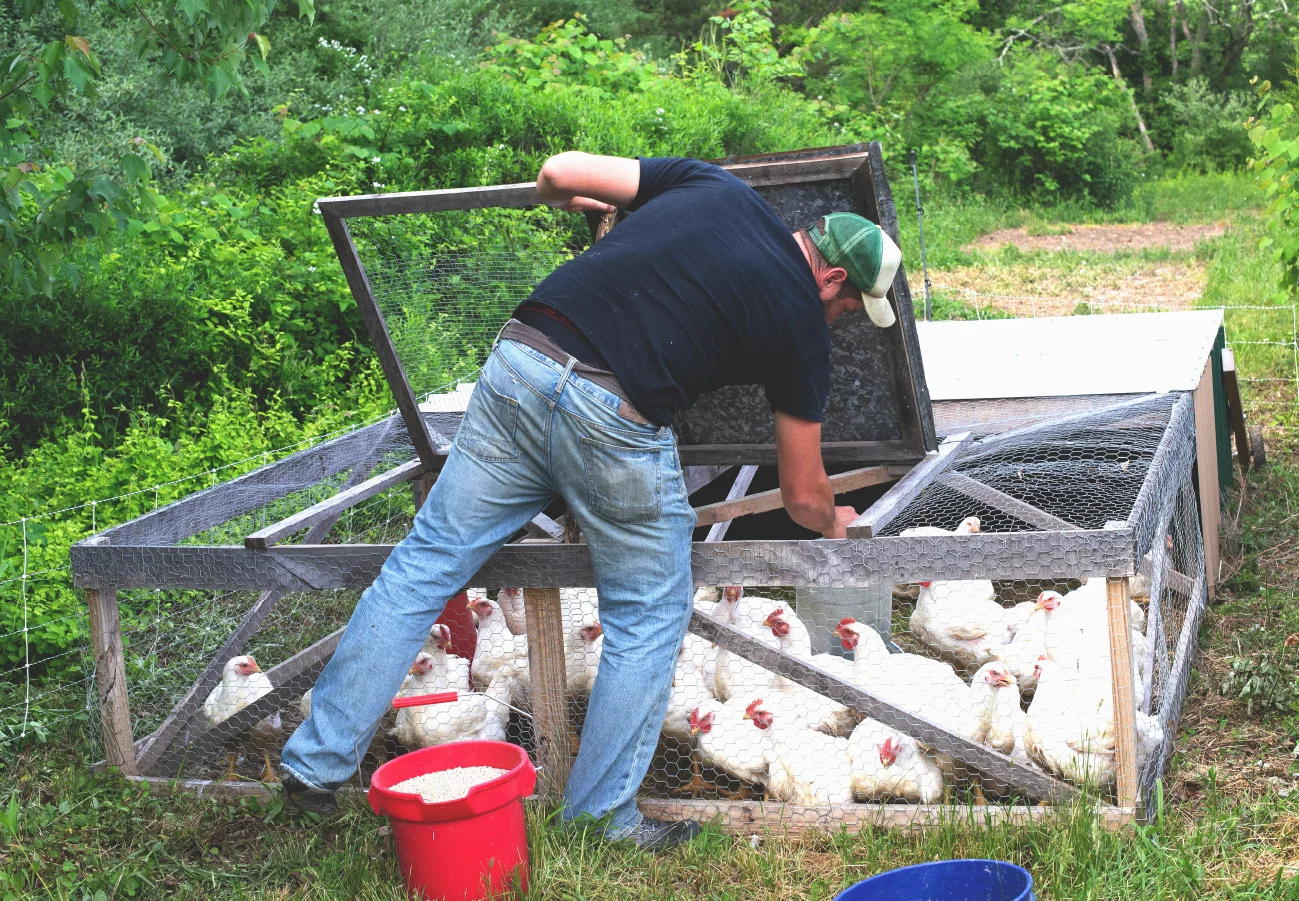
Each move takes time, and on most farms, there are already more tasks than hours in the day. Moving animals once per day is a balance between improving pasture use and keeping the workload manageable.
Book a demo to see how automated movement works on real farms.
Manual systems also come with practical challenges. Maintaining a steady pace during movement can be difficult, and in some cases, additional help is needed to guide animals and prevent crowding. These factors make frequent movement harder to sustain without adding significant effort.
Making Frequent Movement Possible
This is where automation changes what is realistic. When movement no longer depends on manual labour, it becomes possible to match the system more closely to how your animals naturally behave.
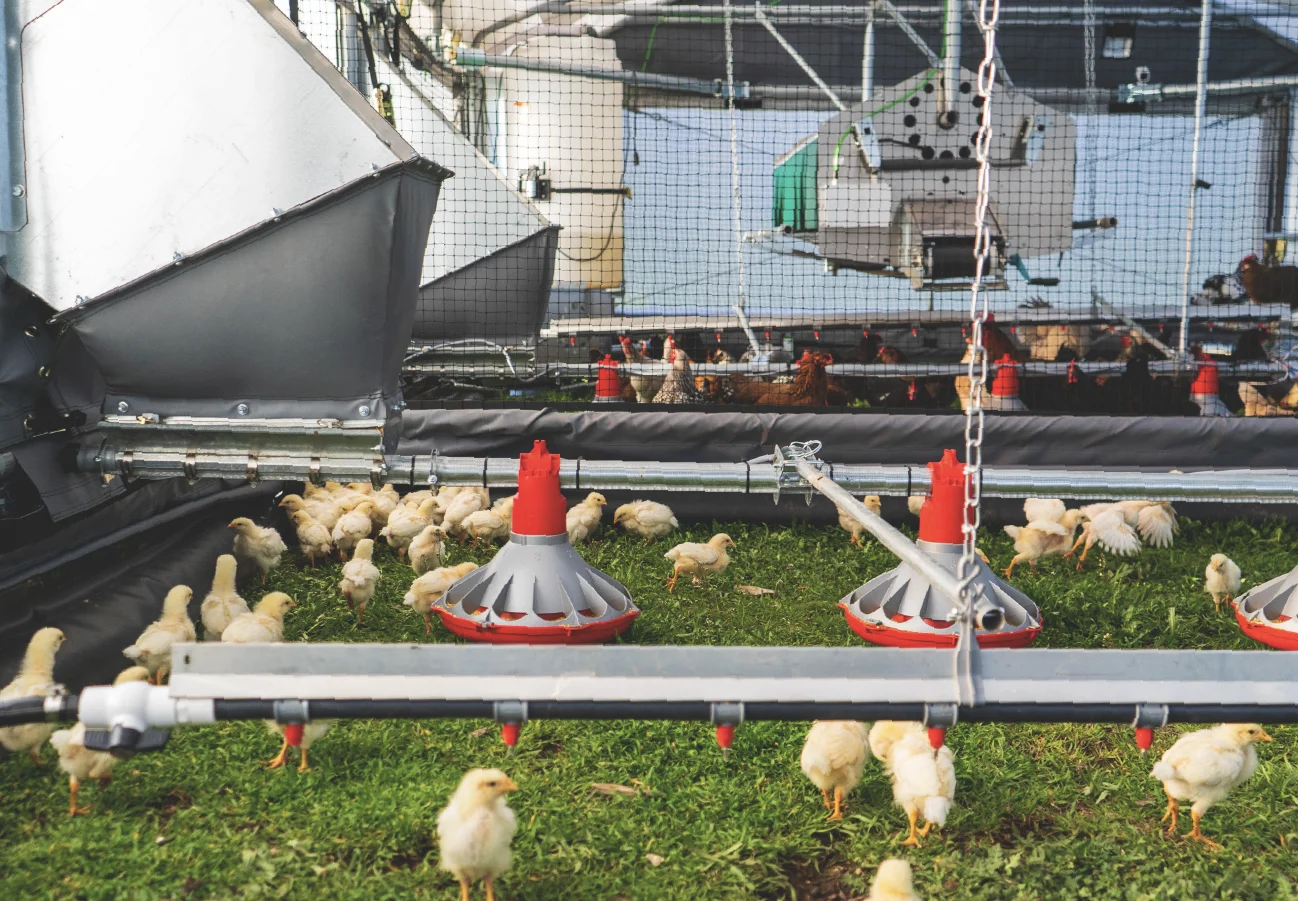
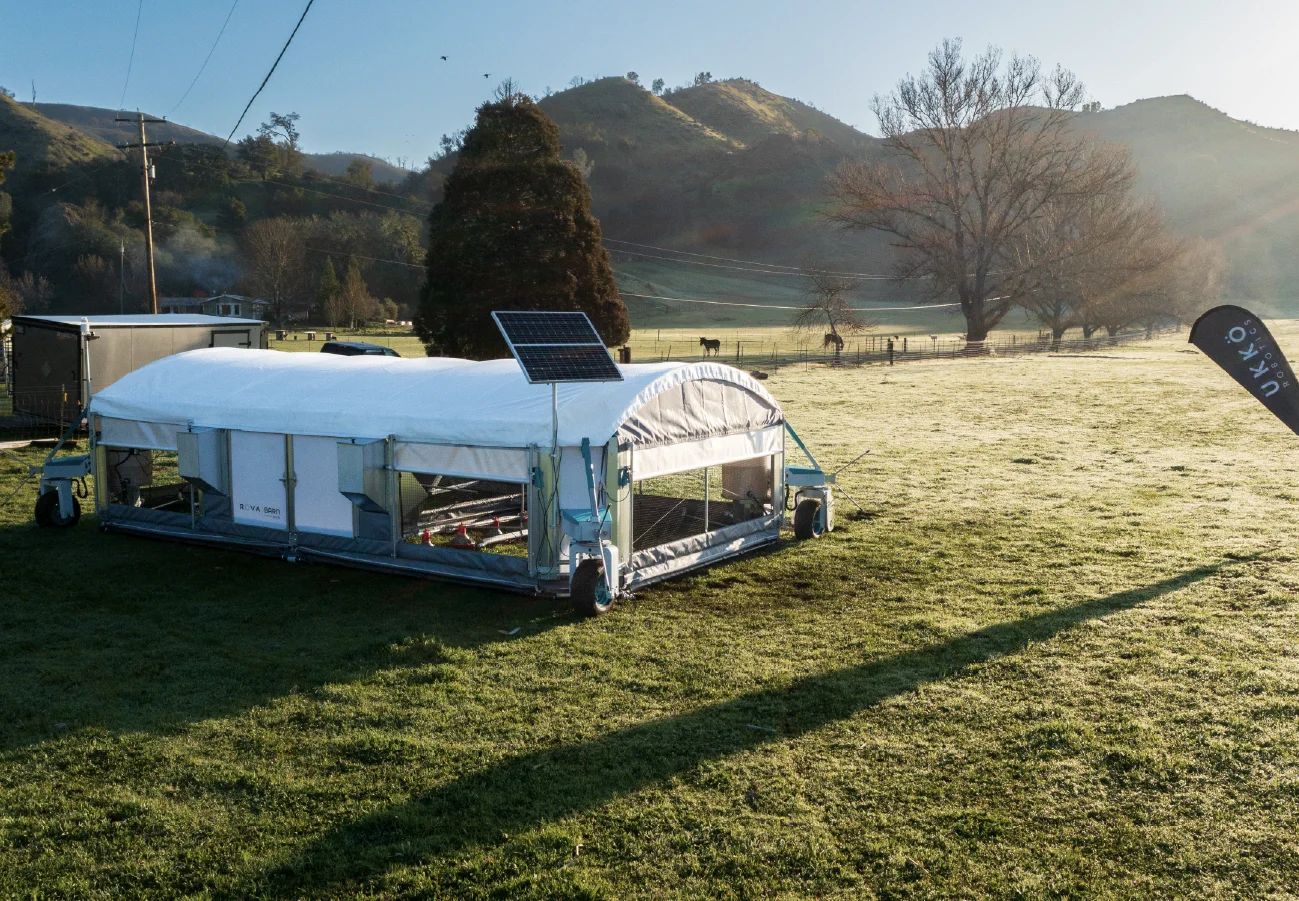
At UKKÖ, this approach comes from our own background. Our work started on a family farm, where the goal was to find better ways to raise animals on pasture without adding more strain to daily operations. That led us to develop the ROVA|BARN, a self-moving pasture barn designed to shift animals forward multiple times throughout the day on a set schedule.
Instead of relying on one larger daily move, the ROVA|BARN makes smaller, consistent moves that keep fresh pasture in front of the flock from morning to evening. These movements can be timed around weather conditions, temperature, and pasture needs, so your animals are not being pushed during peak heat or poor ground conditions.
The result is not only more frequent movement, but more controlled and consistent movement. Animals are always stepping onto fresh ground, manure is spread more evenly, and pasture pressure stays balanced across the field. At the same time, the farmer is not tied to each move, which makes this approach practical even on small teams or busy operations.
When More Frequent Movement Matters Most
Not every situation requires the same level of movement, and the ideal approach depends on your animals, your land, and the stage of production.
As birds grow, their behaviour changes. Older birds tend to graze more and spend more time foraging, which increases the benefit of frequent movement. Stocking density also plays a role, as higher density leads to faster buildup of pressure on the land, making smaller, more frequent moves more valuable.
Pasture condition is another factor, and on new or less established ground, frequent movement helps prevent damage and gives plants more time to recover between grazing periods.
In each case, the goal is not to follow a fixed schedule, but to adjust your movements based on what the animals and the land need.
What to Look for on Your Own Farm
For farmers who are unsure whether moving animals multiple times per day is worth it, the most useful place to start is observation.
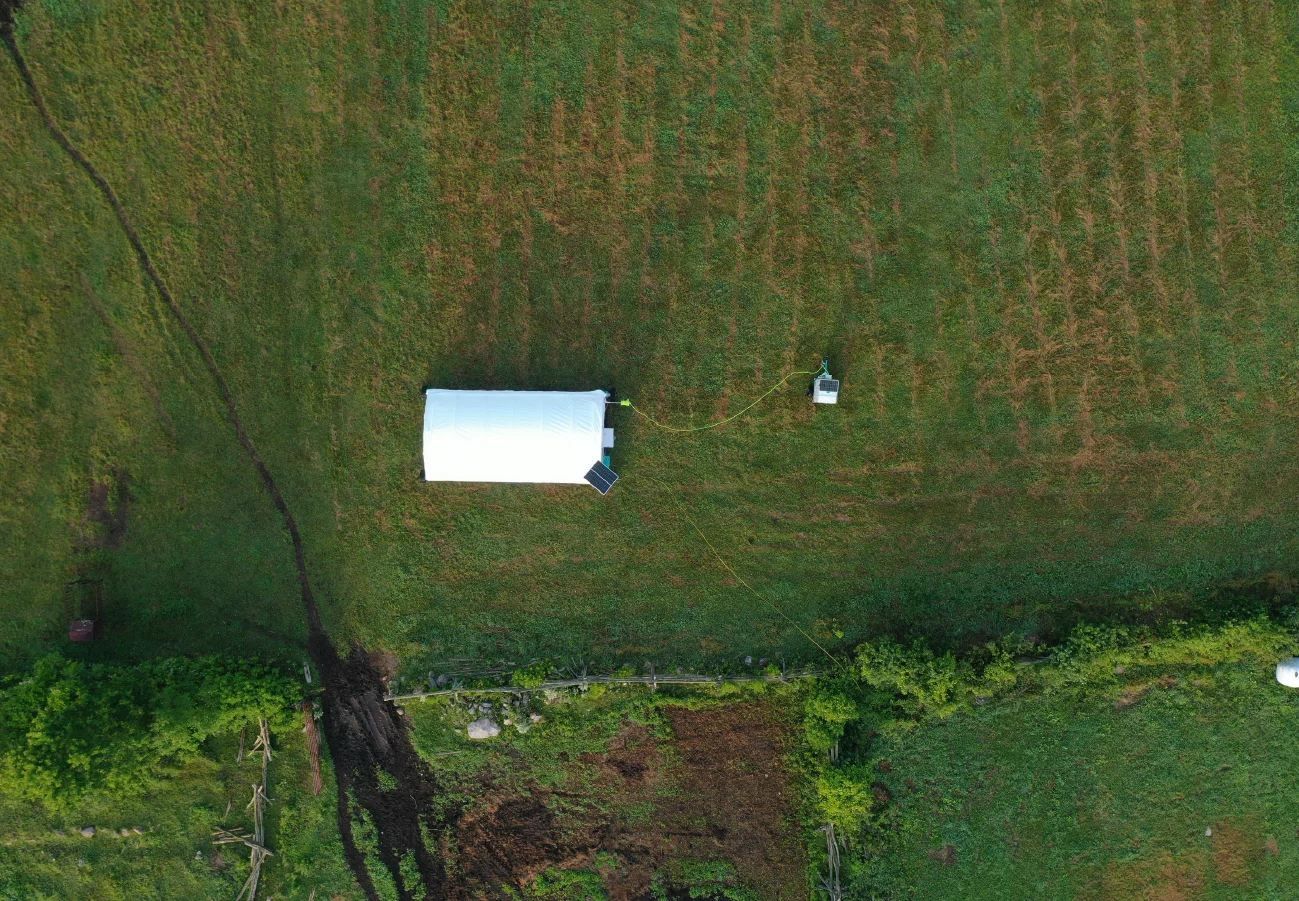
Look at how your animals behave after a move. Are they active and engaged, or do they settle slowly? Look at the pasture behind them. Is the impact concentrated in one area, or spread out evenly?
Over time, those patterns become clear. Healthier animals, more consistent pasture, and faster recovery are the outcomes that tend to show up first.
Moving your animals more often is not about adding complexity, it’s about aligning the system more closely with how animals and land already function and then using the right tools to make that approach practical on a working farm.
Learn more about the ROVA|BARN and see how automated, multi-move grazing can fit into your farm.


